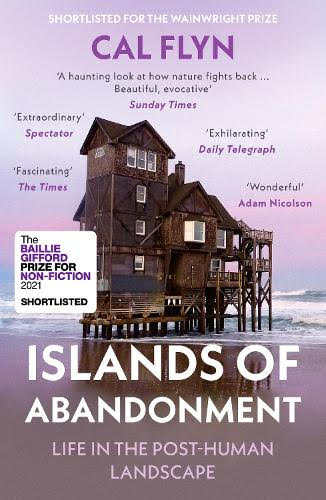
Islands of Abandonment: ruderal species, metallophyte plants and other strange and beautiful residents of the wasteland
Cal Flyn, Journalist and Author
Thursday 26th Sept. 2024, 6:30 pm
Lecture Theatre, Royal Botanic Garden, Edinburgh
Date: Thursday 26th September, 2024, Edinburgh, from 6:30 – 7:30pm – (Tea/coffee and biscuits will be available from 6:00 pm)
After the Lecture: We plan to take the speaker for dinner. Let us know at the lecture if you would like to join the party.
Venue: Royal Botanic Garden Edinburgh, Science Building, 20a Inverleith Row, EH3 5LR
Venue Note: To access the lecture please enter via the Science Buildings main reception, 20A Inverleith Row, Edinburgh EH3 5LR. Note this is NOT the public entrance to the gardens. what3words ///ROPES.DINNER.CLUBS
Title: Islands of Abandonment: Ruderal species, metallophyte plants and other strange and beautiful residents of the wasteland
Abstract: Brownfield and derelict sites can be—perhaps surprisingly—incredibly biodiverse in terms of plant and invertebrate life. Ruderal plants—from the Latin rudus, ‘from the rubble’—spring up on disturbed lands, their seeds having lain dormant, waiting for just such an opportunity. Untended ground becomes site of landgrabs by wildflowers, feral ornamentals, and all sorts of unlikely bedfellows who find conditions to suit their liking. Polluted landscapes, such as former mine tailings, slag heaps, and old mining tracks, pose a challenge for most species—but botanical rarities like spring sandwort and lead moss (metal-loving plants) get a rare chance to shine, unimpeded by other species in soils contaminated with heavy metals. The virility of abandoned sites in all their idiosyncratic glory offer cause for hope in a despoiled world.
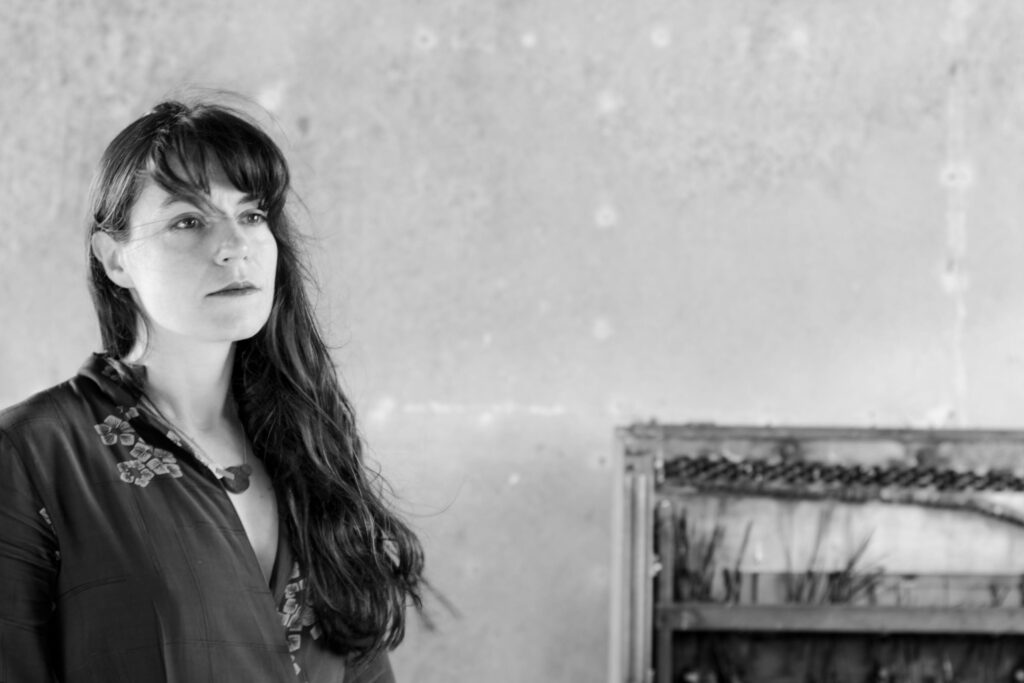
Bio: Cal Flyn is a writer from the Highlands of Scotland. She is the author of Thicker Than Water (2016) and Islands of Abandonment (2021), a book about the ecology and psychology of abandoned places. The latter won her the title of Young Writer of the Year in 2022 and the John Burroughs Medal for natural history writing; it was also shortlisted for the Baillie Gifford Prize, the Ondaatje Prize, and the British Academy Book Prize, among others. She received the 2024 E. M. Forster Award from the American Academy of Arts & Letters.