

Plant parts and characters to look at when identifying plants:
Flowers – arguably the most important for identification; the flowers of many families are distinctive and you can soon learn to recognise daisy flowerheads or pea flowers, for example. The taxonomic grouping of plants is very dependent on floral characters. Look at the number of petals, whether they are joined together and their colour. Look at the numbers and appearance of the stamens and the stigmas.
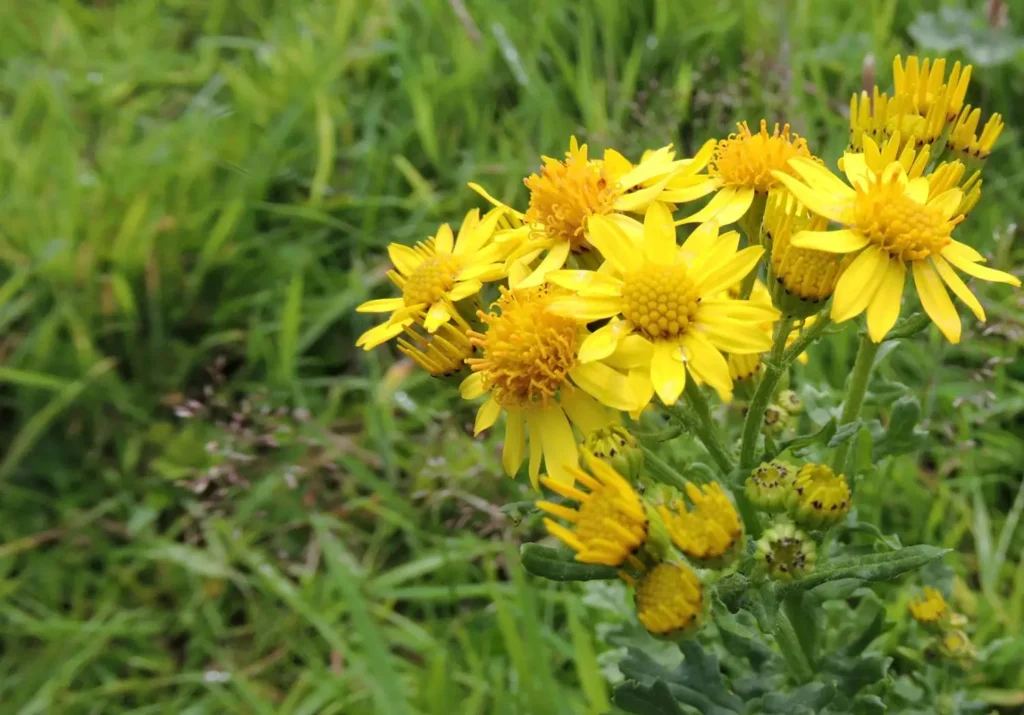
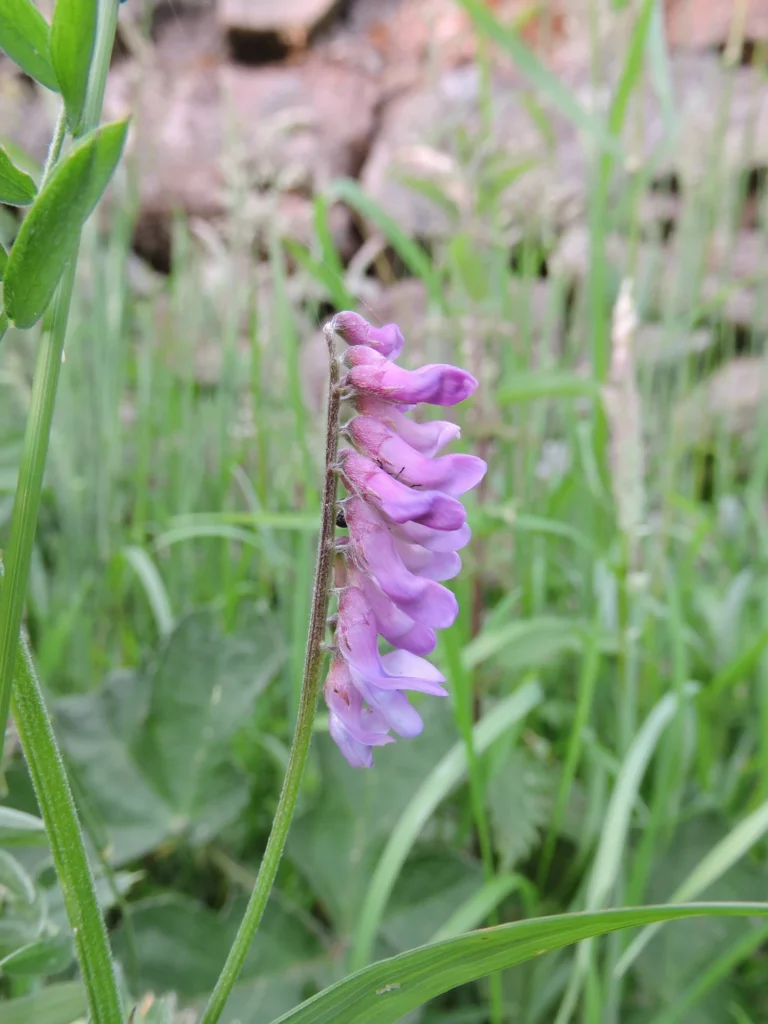
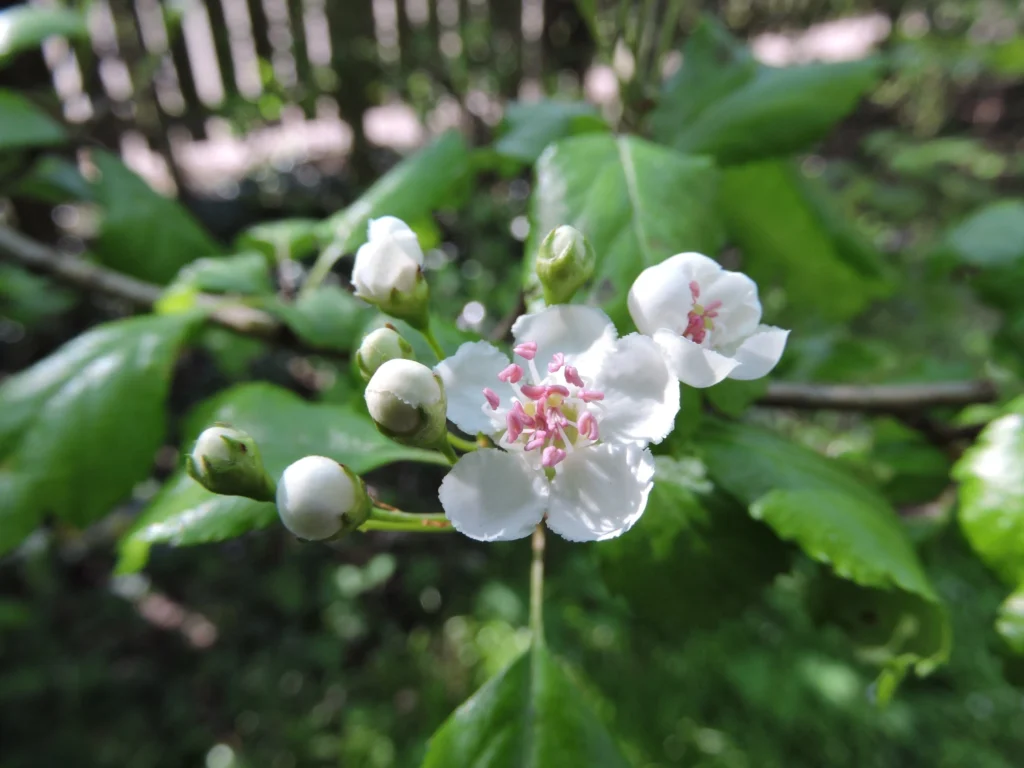
Leaves – are they simple or compound? What shape are they? Do they grow in opposite pairs or do they alternate up the stems? Maybe they form a flat rosette.

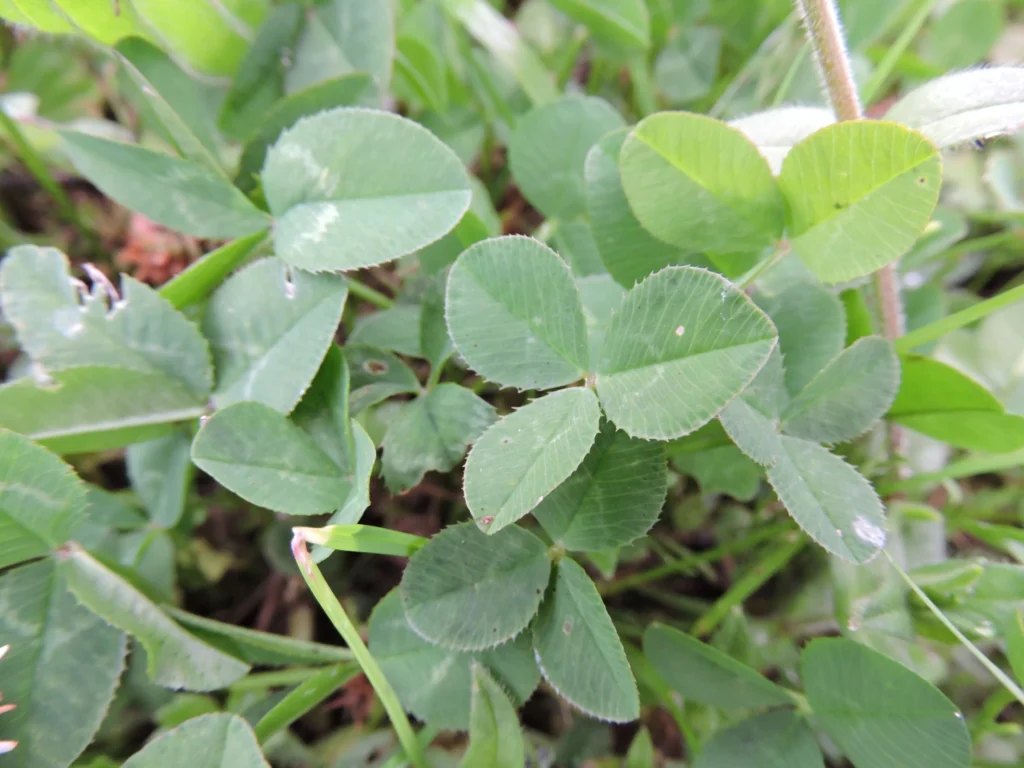
Stems – see if the stems branch or not, if they have hairs or ridges and what shape they are (round, square, flattened?).


Fruits – formed from the pollinated flowers, these come in many different types; dry, fleshy, splitting open like a pod or staying whole like a nut; they may be adorned with parachutes, hooks or bright colours.


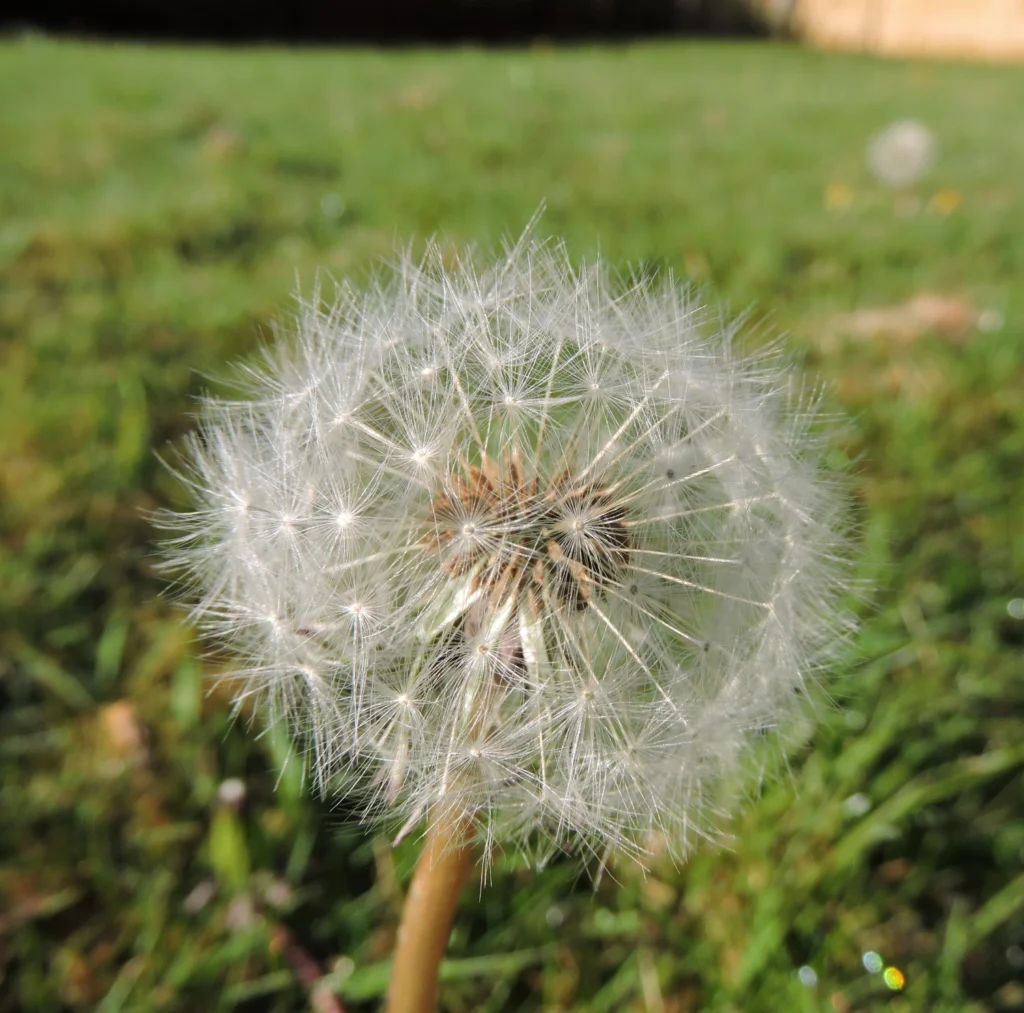
Overall appearance – how big is the plant? Is it tiny and low, tall and elegant, bushy? See what colours are found on the flowers, leaves, stems.
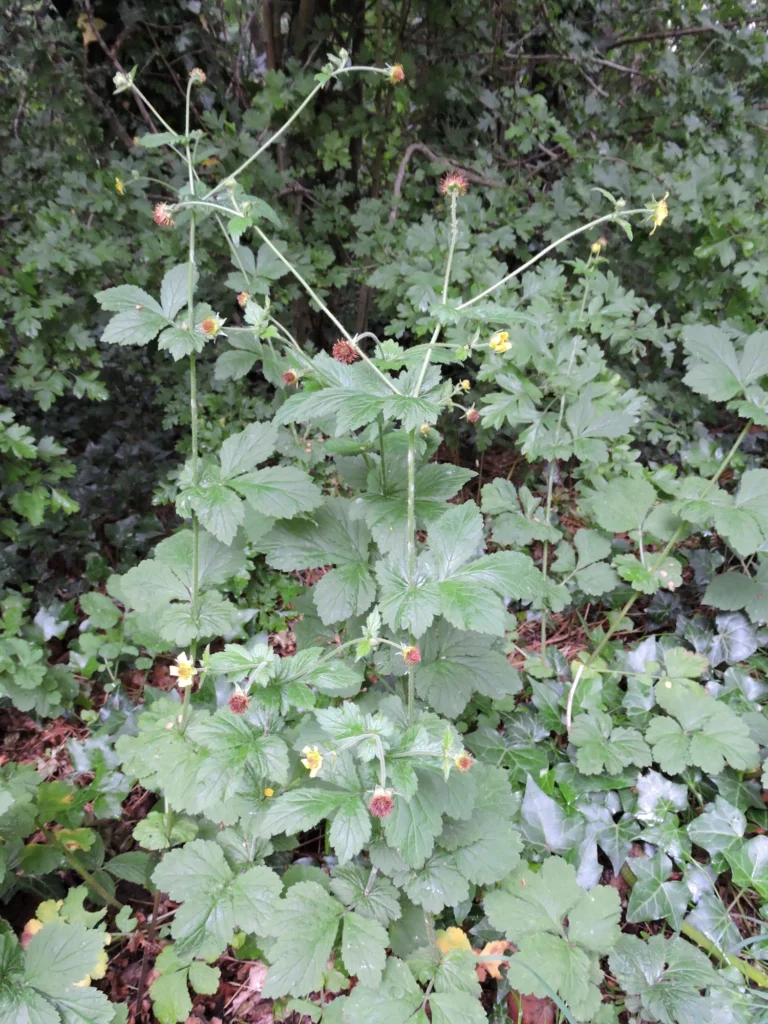
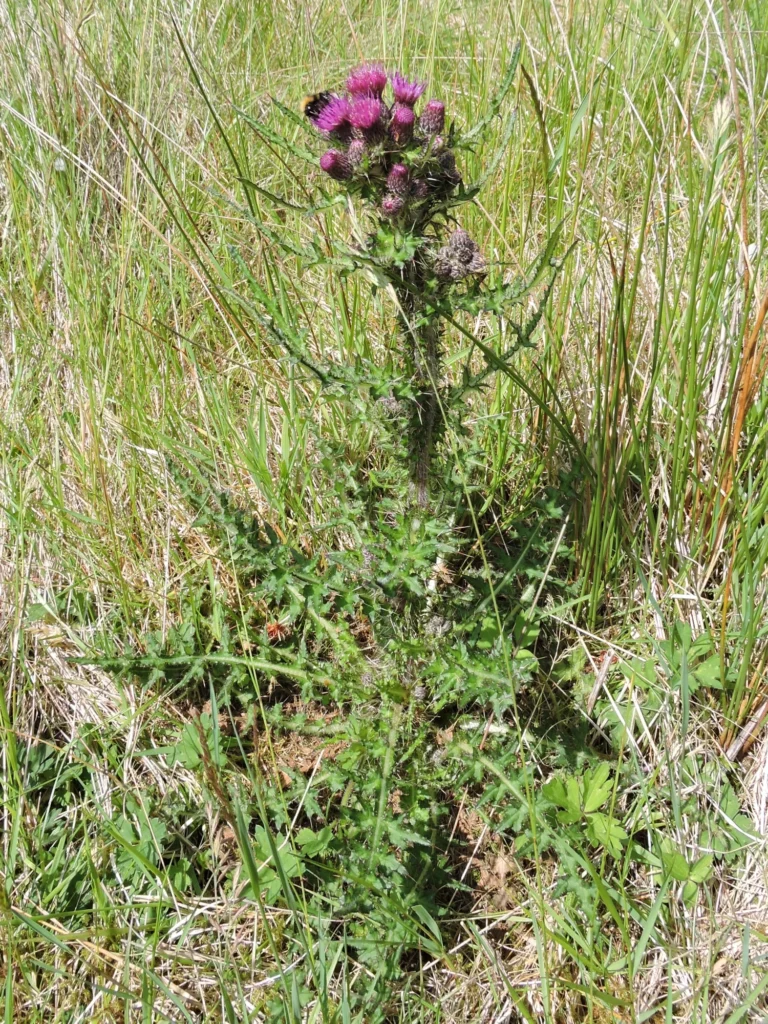
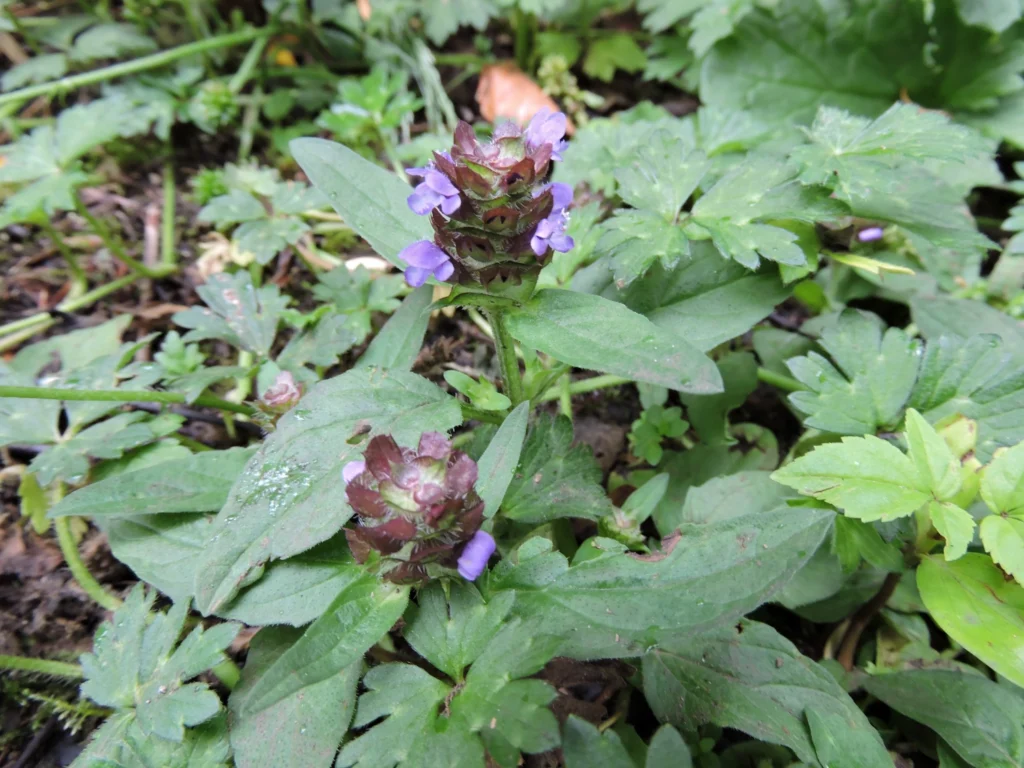
Textures – some plants are sticky, spiny, rough or soft and woolly.
Scents – gently rubbing the leaves of some plants releases a distinctive scent. Some of these scents are pleasant (water mint perhaps?), others not so much (hedge woundwort, once smelled, is not easily forgotten).
Some plants are easy to identify, while some require close inspection and a key to get down to species level. Start with common plants that have large showy flowers. We recommend that you get yourself a hand lens for magnifying small features like hairs and flower structures. A lens really is invaluable when examining plants. They come in different magnifications (try a x20) and can often be found cheaper by searching for ‘jeweller’s loupe’ rather than ‘botanist hand lens’.
Try to identify plants without picking if possible, and remember that it is against the law to uproot plants without landowner permission. Have a look at this Code of Conduct on picking, collecting, photographing and enjoying wild plants from the BSBI for good guidance.
