Chemical relations
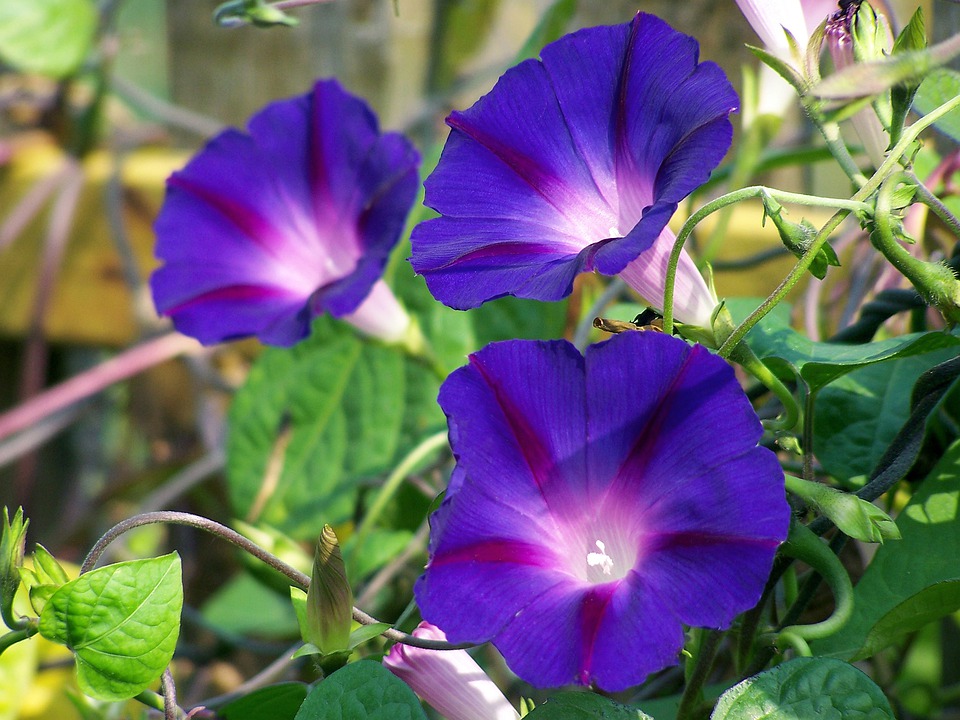
Many people know that fungi produce a host of different chemical compounds, among which are, of course, hallucinogens, as well as antibiotics, toxins and scents. It’s also well-known that plants produce a range of aromatic, medicinal, poisonous and hallucinogenic compounds. However, it’s not always clear-cut who is making what…
The Convolvulaceae family of plants, the bindweed or morning glory family, contains several species whose seeds and other tissues have hallucinogenic properties. Ipomoea purpurea (common morning glory) and Turbina corymbosa (Christmas vine) are two of these. The seeds have been used in indigenous Mexican spiritual rituals for their effects, both in history and in modern times, and more recently as recreational drugs.
The compounds that cause these effects include the alkaloid ergine, or lysergic acid amide. A few decades ago, a synthetic version of this chemical was developed that might sound more familiar: lysergic acid diethylamide, shortened to LSD. LSA is part of a suite of compounds produced by fungi in the Clavicipitaceae family, the fungal group that contains Claviceps purpurea (ergot).
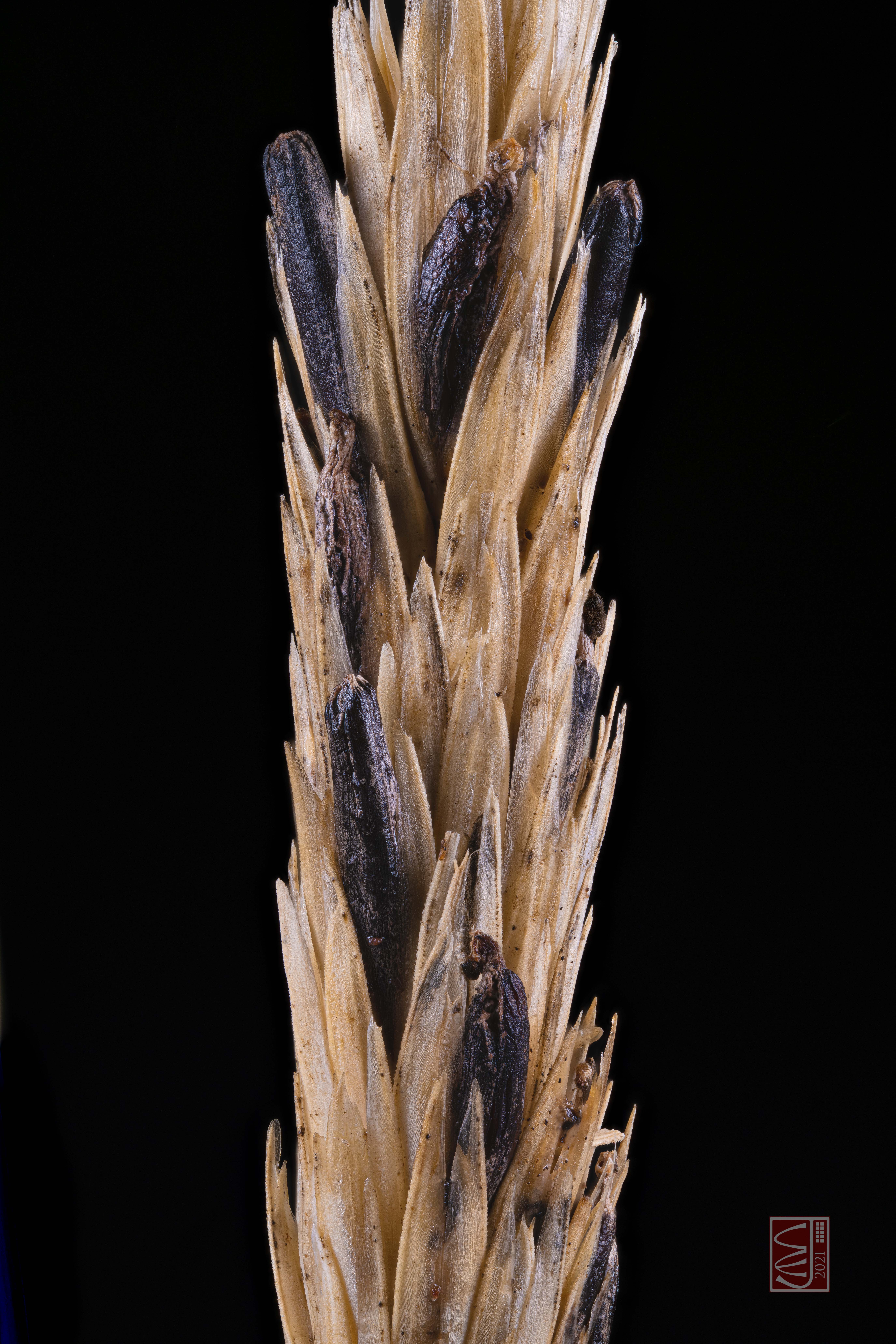
Claviceps purpurea sclerotia on Ammophila arenaria. Image by Chris Jeffree 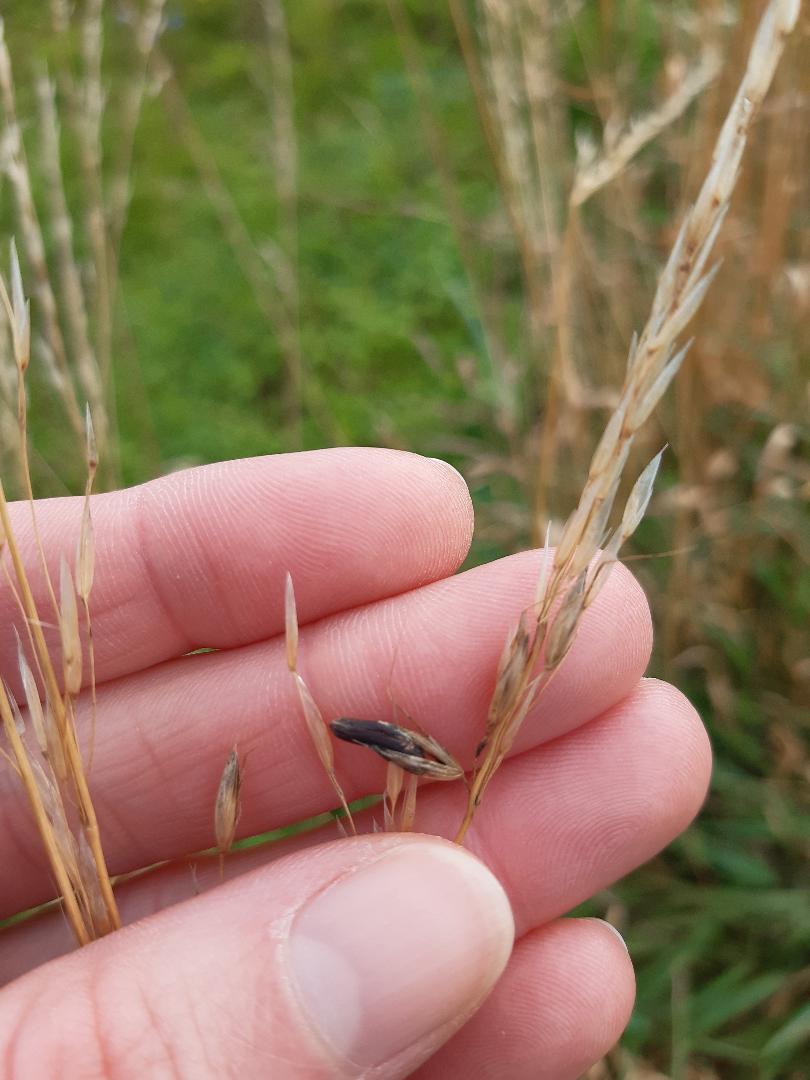
Claviceps purpurea on Arrhenatherum elatius. Image by Heather Forbes
Scientists used to think it strange that compounds previously only found in the ergot fungal family were found to be in some members of Convolvulaceae as well – could these same chemicals somehow have evolved separately? Or perhaps some sort of gene transfer had occurred in the far past? Neither of these theories seemed too likely. However, research in the last few years has shown that these compounds have actually been coming from fungi all along. The ergot alkaloids found in plants are not made by the plants themselves, but by fungi in the – yes – Clavicipitaceae.
These fungi are epibionts (organisms that live on other organisms) and form a mycelium on the surface of the Convolvulaceae leaves (see images in this ‘Bioactive alkaloids in vertically transmitted fungal endophytes’ article). They do not parasitise the plants or invade their cells. It isn’t clear what the relationship between the plants and fungi is exactly, but it has been established that the fungi make the chemical compounds and they are then absorbed into or transferred to the plant tissues. The chemicals and the fungi can even be transmitted in the seeds and to the emerging plants, which is quite unusual.
The fungi species described so far are host-specific and have been placed in the genus Periglandula, due to their association with the glandular trichomes (specialised oil-secreting structures) on the plant leaves. It seems reasonable to assume there are more Periglandula species to discover on other Convolvulaceae.
The closer you look into interactions between organisms, the more you find!
– Heather Forbes
References
– Armstrong, Wayne P. 2000. Morning Glories; available at: https://www2.palomar.edu/users/warmstrong/ww0804.htm#polynesia
– Leistner, Eckhard W. 2018. The Genus Periglandula and Its Symbiotum with Morning Glory Plants (Convolvulaceae). In Physiology and Genetics (pp.131-147): available at: https://www.researchgate.net/publication/322908252_The_Genus_Periglandula_and_Its_Symbiotum_with_Morning_glory_Plants_Convolvulaceae
– Steiner, U. and Leistner, E. 2018. Ergot Alkaloids and their Hallucinogenic Potential in Morning Glories
– Planta Med. 2018 Jul;84(11):751-758. DOI: 0.1055/a-0577-8049. Epub 2018 Mar 2