Which is the best month for wild flowers in Scotland?
We normally think of spring and summer as the best times for wild flower hunting and many of us have put our flower books away when September or October comes. However, the Botanical Society of Britain and Ireland’s New Year Plant Hunt has shown that there is still some floral interest in the middle of winter. The present small study looked at six sites over the twelve months of the year.
Method: Six sites in Easter Ross were selected and included three urban locations in the Tain area and three nearby rural locations. The town sites consisted of footpaths, roadsides and their immediate surroundings. The three rural sites included a woodland, a rural roadside and a disused railway. The same linear route was followed once in each month of the year by the same observer. The sites were not matched for size and the urban walks were longer.
| Month | Mean number of species identified per site | Mean number of species in flower per site | Mean % of identified species in flower per site | |
| January | 28.0 | 4.8 | 17.1 | |
| February | 21.8 | 3.5 | 16.0 | |
| March | 22.7 | 5.0 | 22.0 | |
| April | 28.0 | 8.2 | 29.2 | |
| May | 34.8 | 11.0 | 31.6 | |
| June | 45.6 | 24.5 | 53.7 | |
| July | 48.1 | 37.3 | 77.5 | |
| August | 47.1 | 33.7 | 71.5 | |
| September | 47.6 | 20.8 | 43.7 | |
| October | 38.6 | 15.8 | 40.9 | |
| November | 36.1 | 9.8 | 27.1 | |
| December | 29.1 | 4.7 | 16.2 | |
Results:
The mean total of species in flower was highest in July at 37.3 and lowest in February at 3.5 per site, with other months at intermediate levels. The proportion of identified species in flower increased from an average of 16% per site in February to 77.5% per site in July.
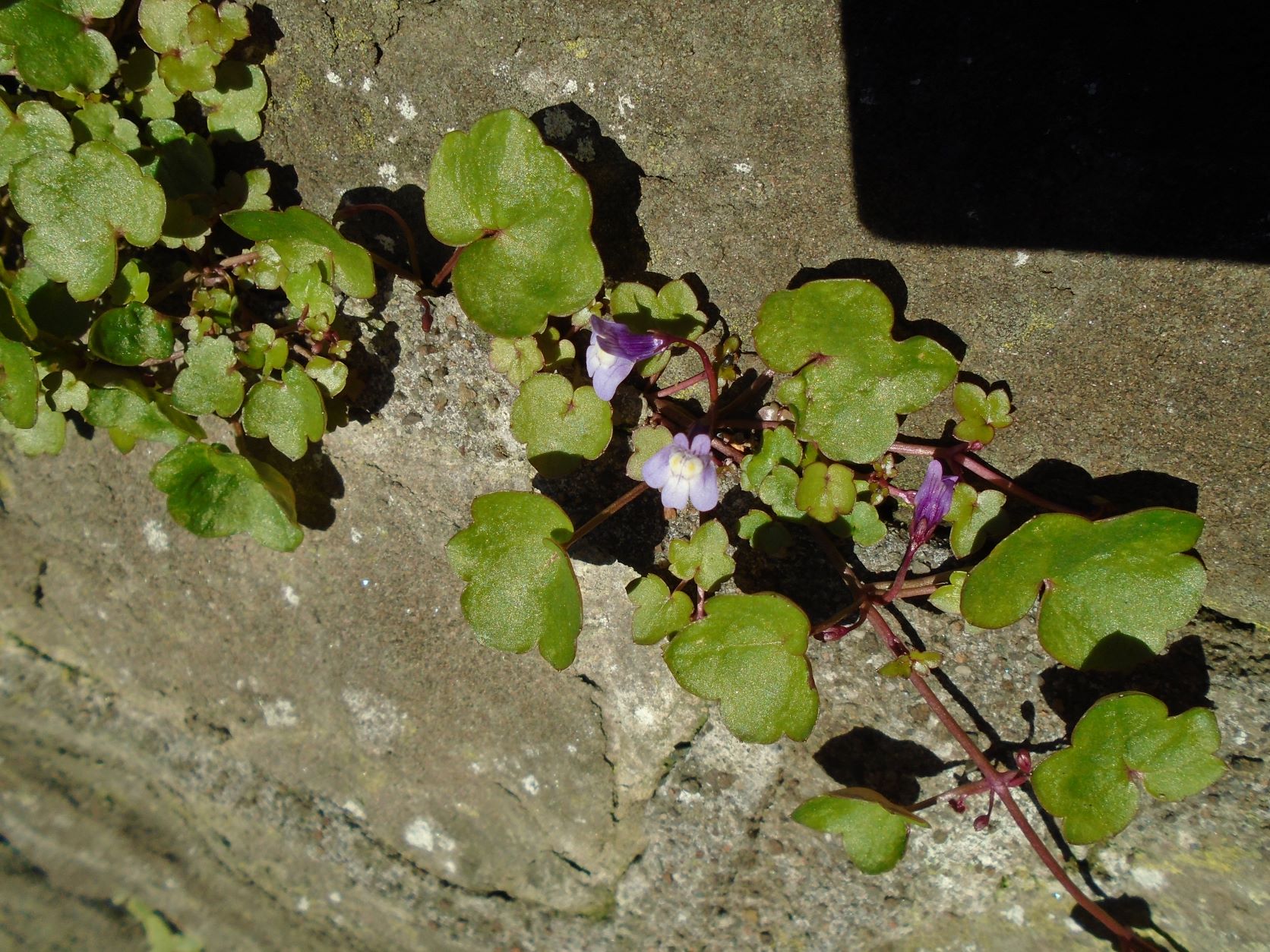
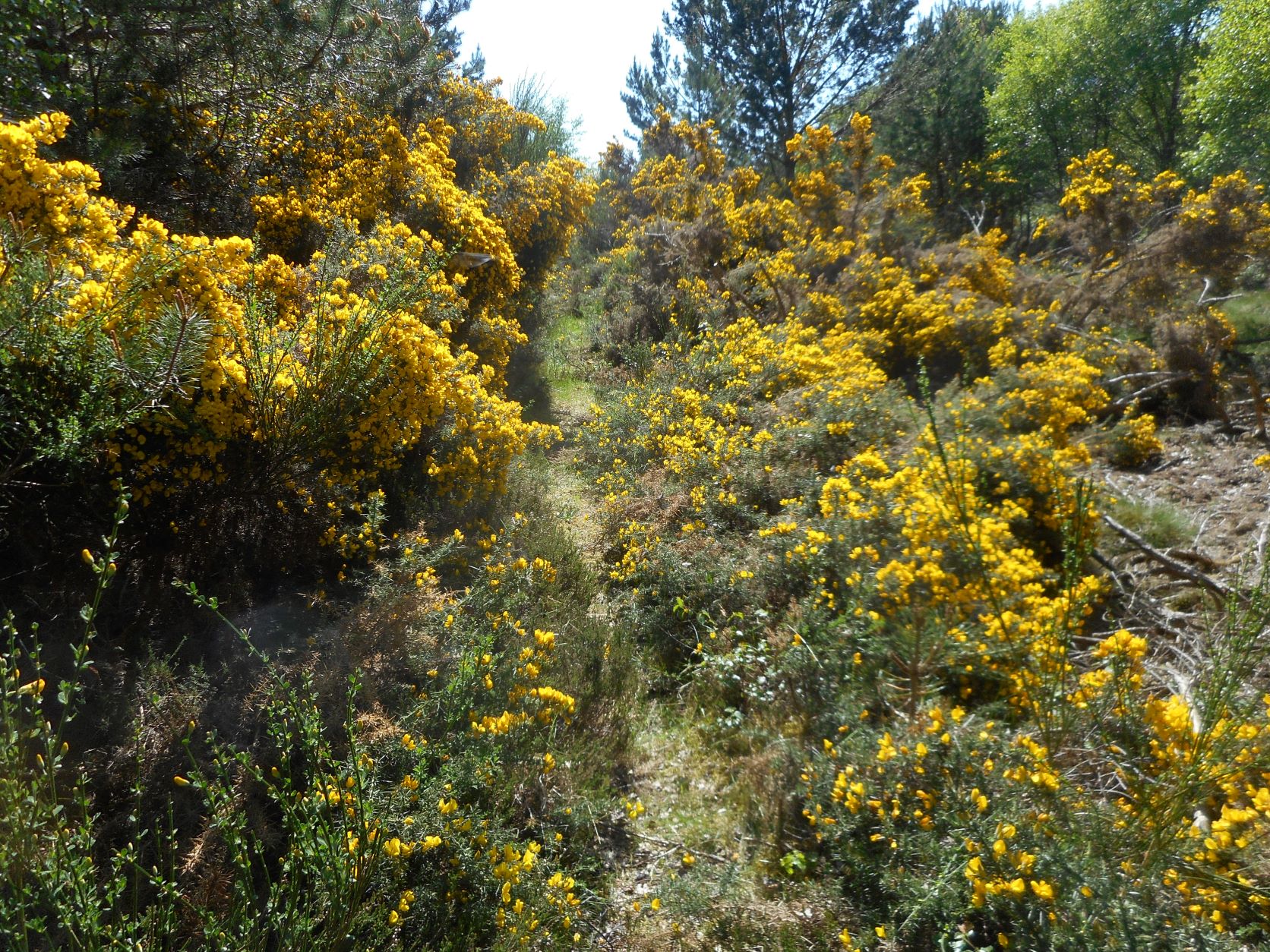
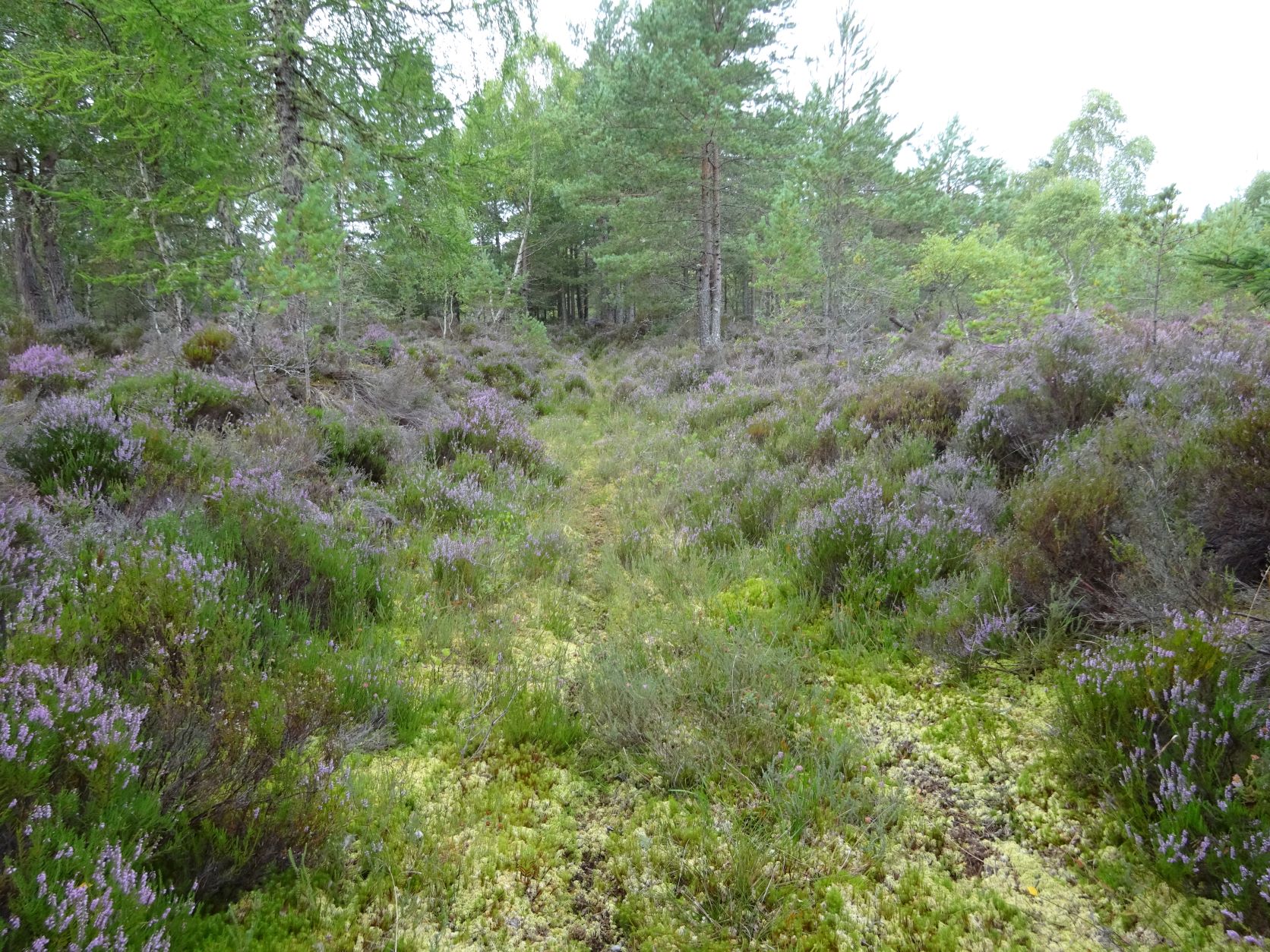

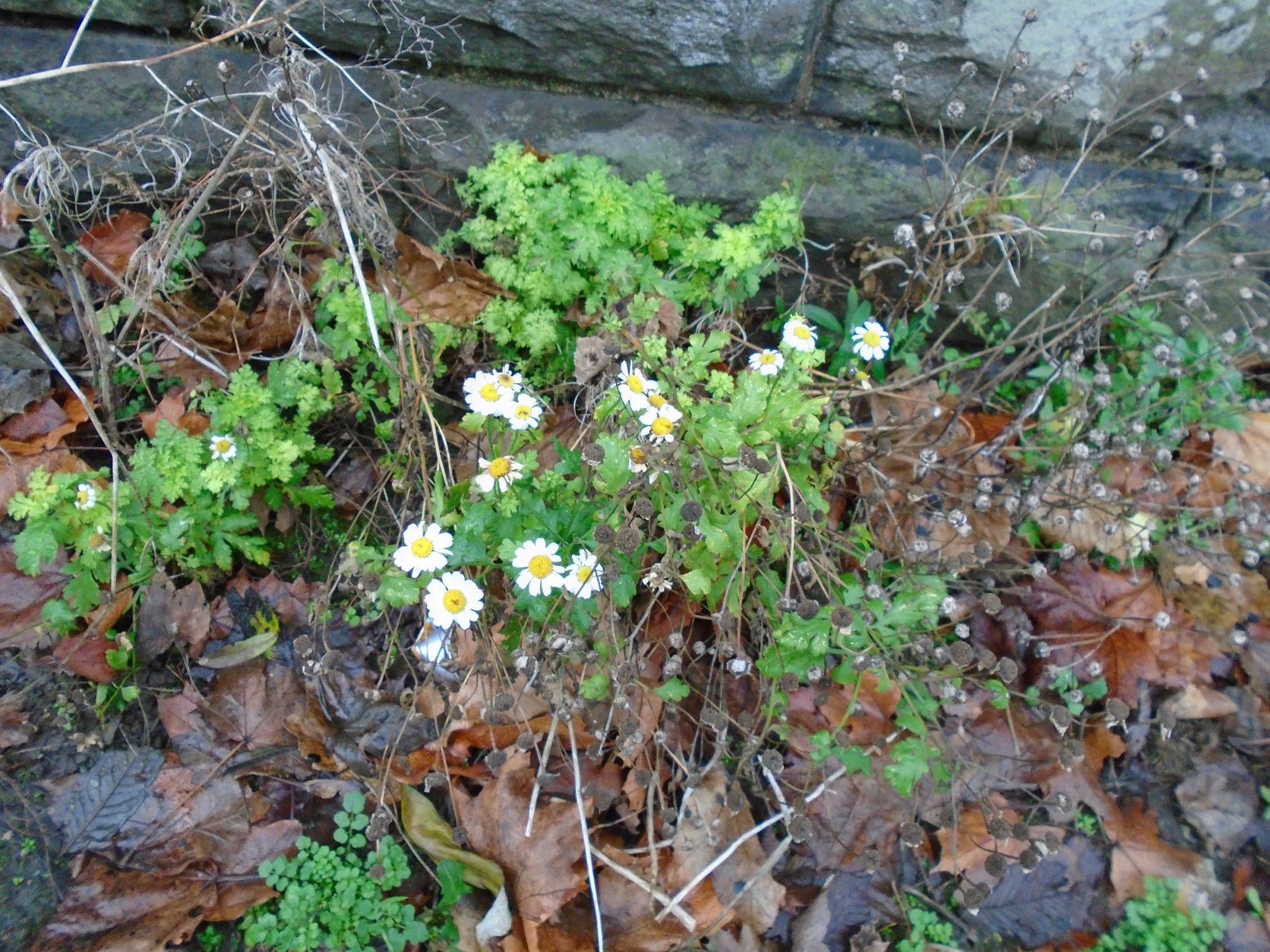
The commonest flowering species in July were Dactylis glomerata (Cocksfoot), Galium aparine (Cleavers) Poa annua (Annual Meadow Grass) and Trifolium repens (White Clover). In February the commonest flowering species were Bellis perennis (Daisy), Ulex europaeus (Gorse) and Senecio vulgaris (Groundsel).
The rural and urban sites were not matched for size, but overall, the three urban sites included a total of 126 species in flower over the year and the three rural 98 in flower. In February the rural flowering total was 6.0% of the July rural flowering total. In urban sites in February the flowering total was 11.9% of the July urban flowering total, but the numbers were relatively small.
Comment: This was a small study in Northern Scotland and the number of species identified will depend on the examiner to some extent.
As would be expected the number of species in flower and number identified were higher in the summer months and lowest in mid-winter. However, it is interesting to note that the autumn months produce higher totals than the spring months, although this might vary in other settings and habitats. Another small survey of sites in Dundee city that I undertook also produced a slightly higher total of species in flower in November than in April, although spring is the best time for some of our special flowers. Also, some species will only be in flower at particular times of year, so repeated visits are always worthwhile.
These samples were not selected for an urban rural comparison, although possible differences are well worth following up.
In conclusion. it is worth looking out for plants at every time of year, although the most complete picture will be obtained in summer.
Brian Ballinger