Euphorbia pulcherrima – 12th December 2022-Poinsettia
A tale of nativity, mortality, political intrigue and daylength. Common name Poinsettia, Mexican flame flower.
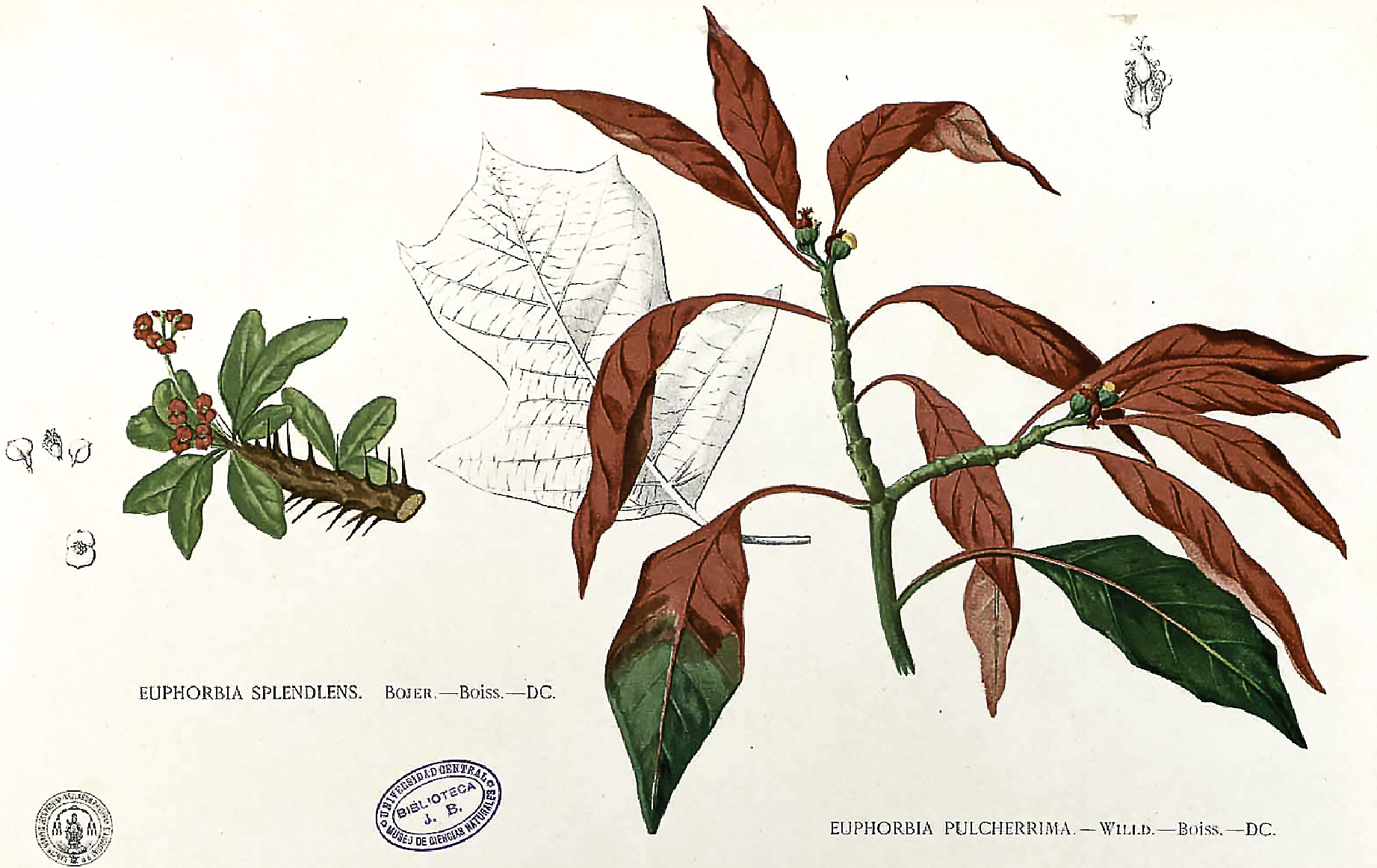
Together with the Christmas tree, the Poinsettia, a sub-shrub from Mexico, has become one the most popular symbols of Christmas in the world. Its “discovery” is credited to American diplomat and politician Joel Roberts Poinsett, who in 1828 sent specimens of wild Euphorbia pulcherrima from Mexico to Philadelphia. More of him later. The 12th of December, Poinsett’s date of death in 1851, is a National Poinsettia Day holiday in US.
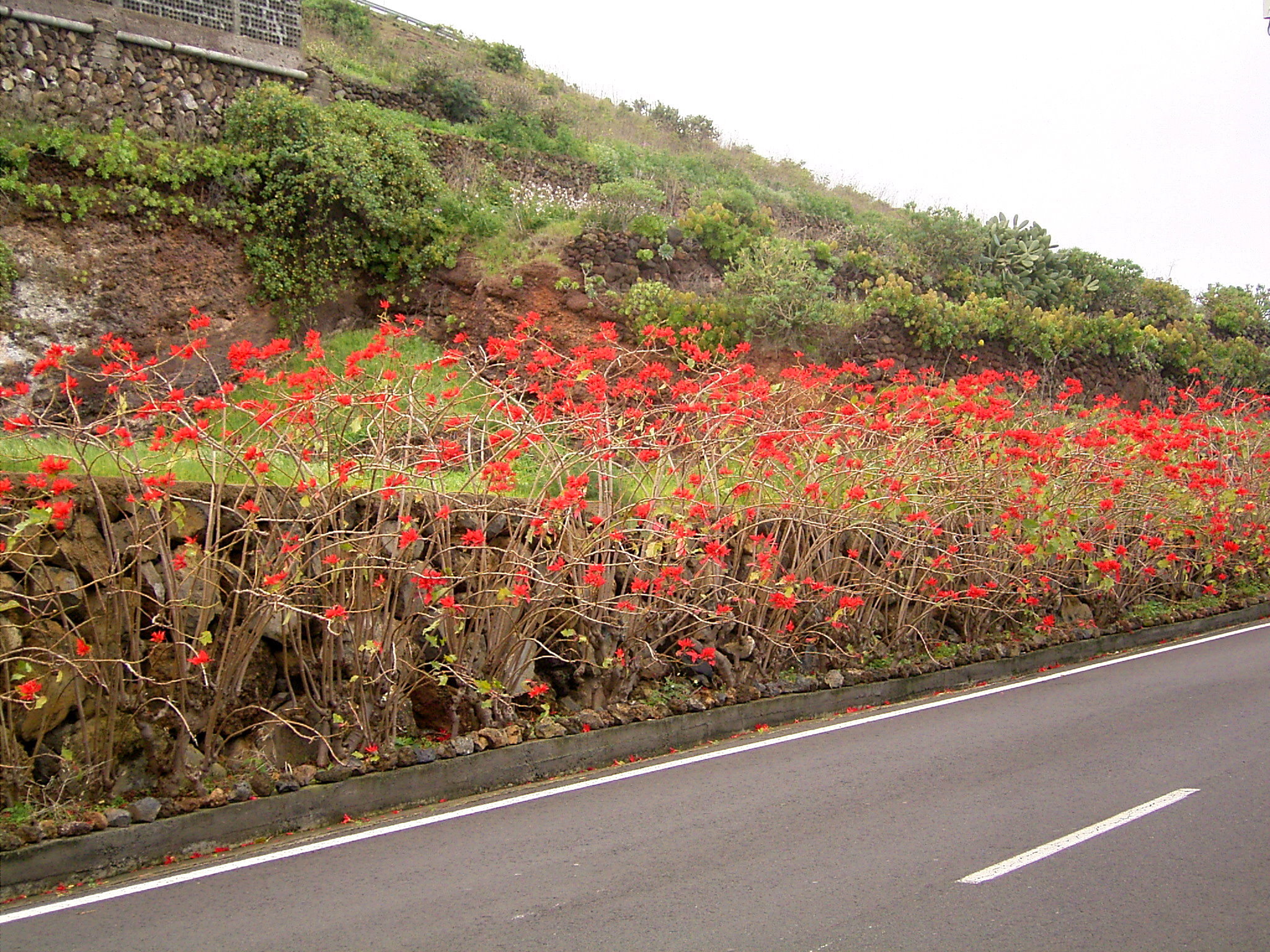
The plants named after him are familiar to us growing as seasonal potted herbaceous house-plants, but in their native habitat they are moderately long-lived perennials that can form shrubs up to about 4 m in height.
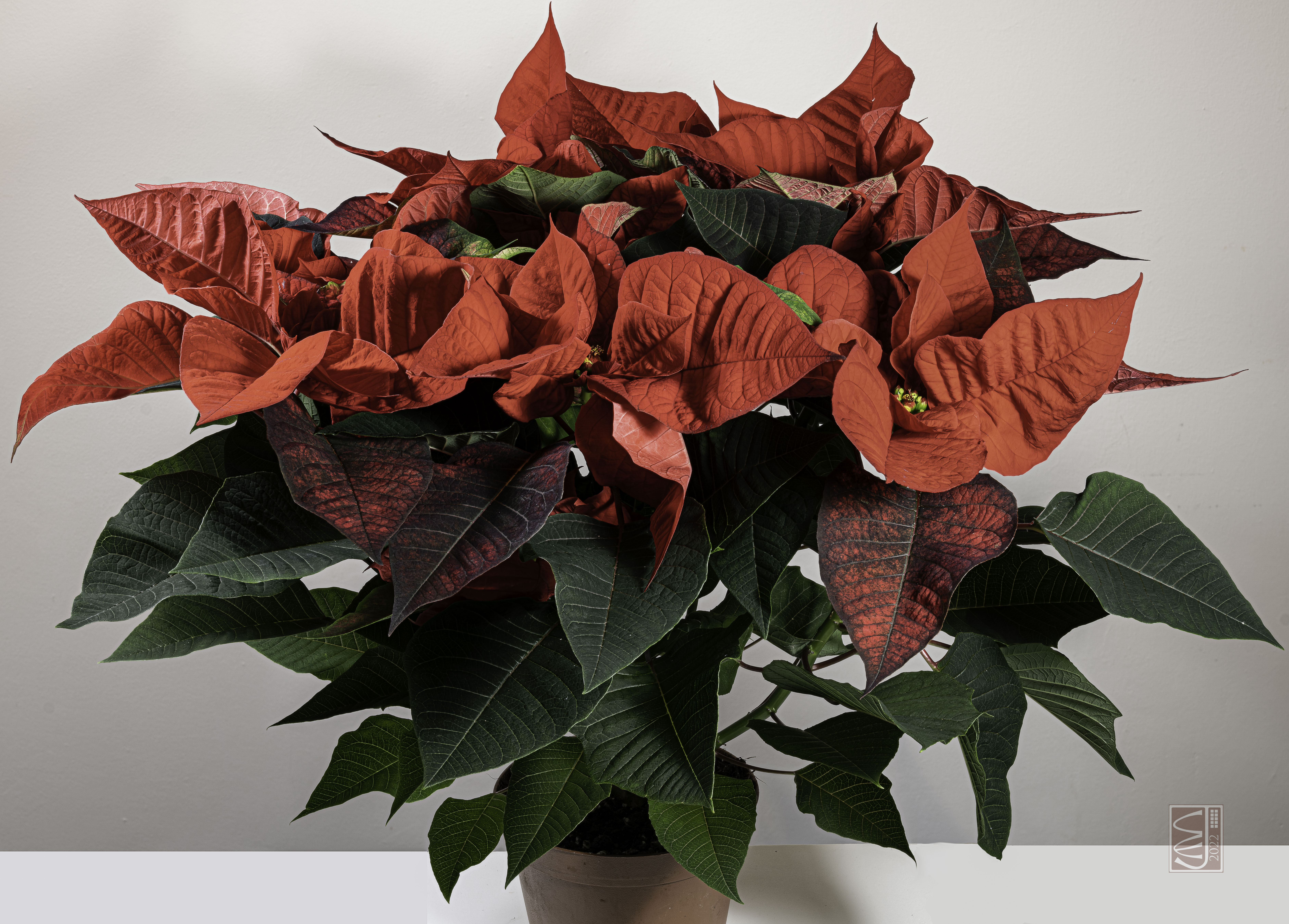
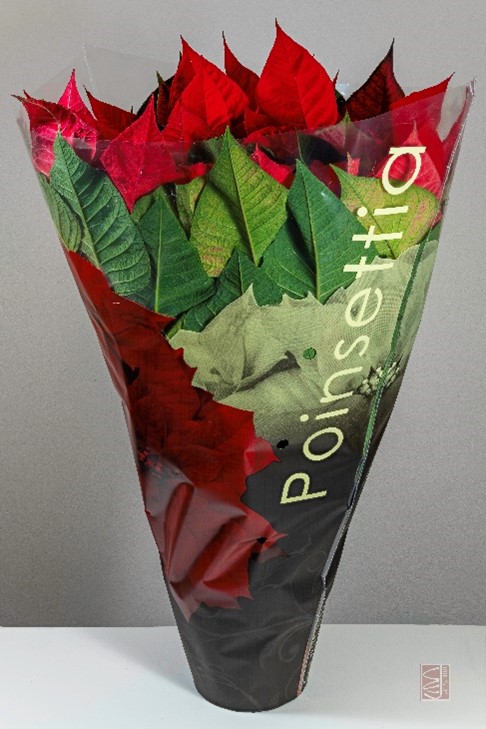
Wild plants tend to produce tall straggling stems with little branching, but growers have found ways to produce the compact, broad-leaved plants that are sold today.
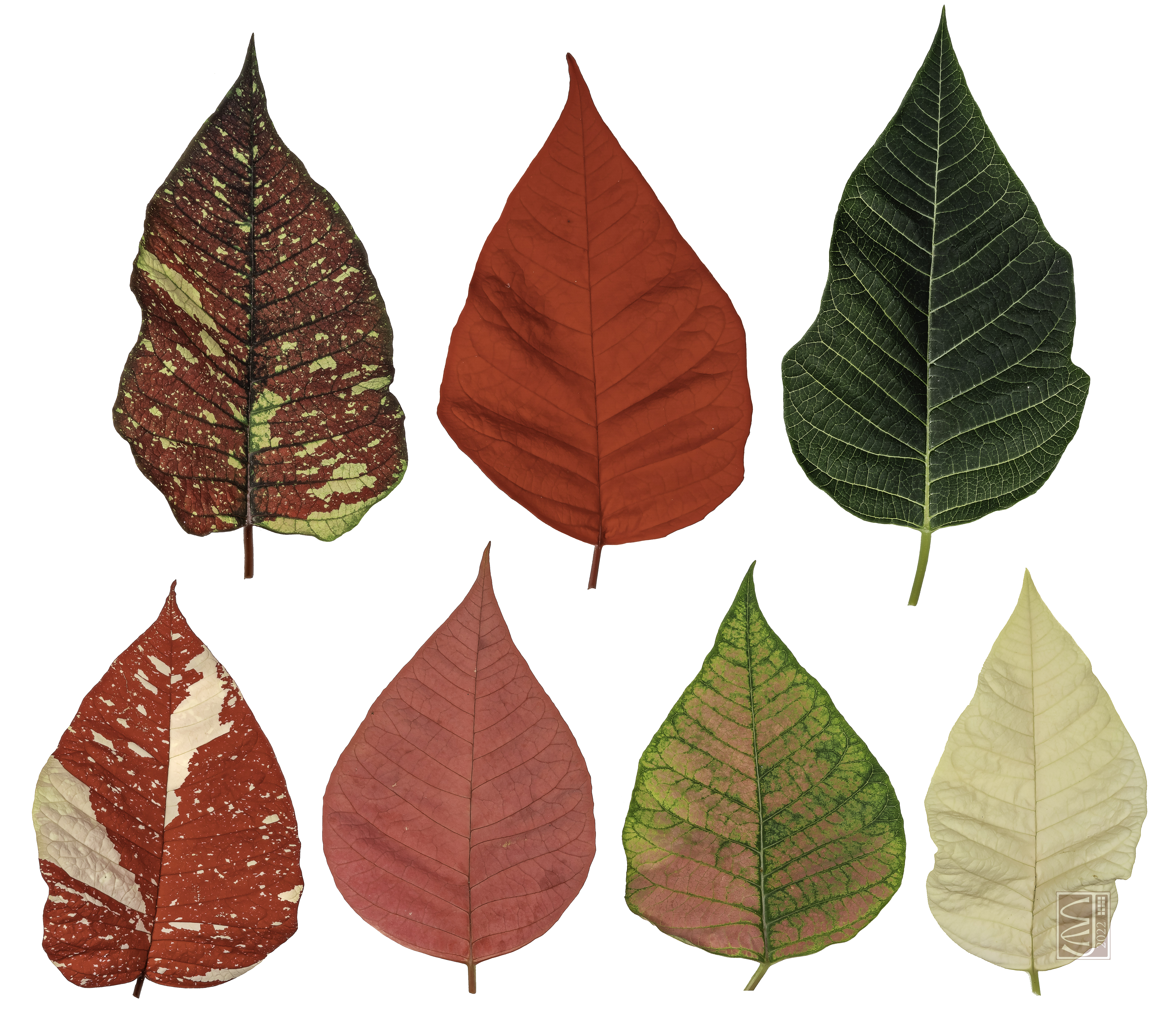
Like many tropical flowering plants including Bougainvillea, the whorls of brightly-coloured organs are bracts, or modified leaves and the flowers are strange inconspicuous yellowish structures, borne in groups in the centre.
Poinsettias have become the single most economically important potted plant in the world, each Christmas in the US and Mexico, producing sales of upwards of £250 million in value. Like Christmas trees, we tend to regard them as disposable, discarding them when they begin to fade, because at northern latitudes it is hard to keep them in the tropical warmth and light they require, but with the right care they can make attractive perennial house or conservatory plants. They need a bright position shielded from direct sunlight, on a south facing windowsill or in a conservatory, and a fairly constant temperature about 18° C, preferably with a fairly high humidity.
Pentland Plants was one of the first nurseries in the UK to produce Poinsettias commercially, beginning in the 1960s with plant material imported from the US. Today they grow their plants from softwood cuttings imported from Ethiopia as plugs in July. https://www.pentlandplantsgardencentre.co.uk/blog/the-story-of-poinsettias-at-pentland-plants.html
Their Poinsettia glasshouses are huge, and the sight of a seemingly endless sea of red bracts is awe inspiring. Many other colour variants have been bred, ranging from white to yellow, orange, pink and burgundy and there are chimeras with dappled variegated colours.

Euphorbia
The genus Euphorbia was named by Carl Linnaeus in 1753 in honour of Greek physician and naturalist Euphorbos, who prescribed Euphorbias to King Juba II of Numidia and Mauretania as a laxative. The specific epithet pulcherrima means the “most beautiful”.
The spurge family Euphorbiaceae was circumscribed by A.L. de Jussieu, who, with Linnaeus is one of the heroes of BSS, their portraits featured on the seal of our Society on its founding in 1836. It is one of the largest families of flowering plants, with ~6300 species in ~250 genera (Heywood), 6100 / 320 (Judd ) with a wide range of growth-forms, ranging from the herbaceous British native dog’s mercury, Mercurialis perennis, (featured in an earlier blog) to the biodiverse spurges and cactus-like succulents such as Euphorbia paralias of British coasts to the statuesque Euphorbia canariensis of the Canary Islands. Diversity is much greater in the tropics. Without Hevea brasiliensis, the rubber tree, we might still be driving carts rather than Teslas. The Chinese species Vernicia fordii is the source of tung oil, used as a wood finish and ingredient in varnishes. Many are decorative plants, often, like Poinsettia, Codiaeum, Jatropha, and crown of thorns (E. milii) with brilliantly-coloured bracts which provide horticultural value.
Details of flowers
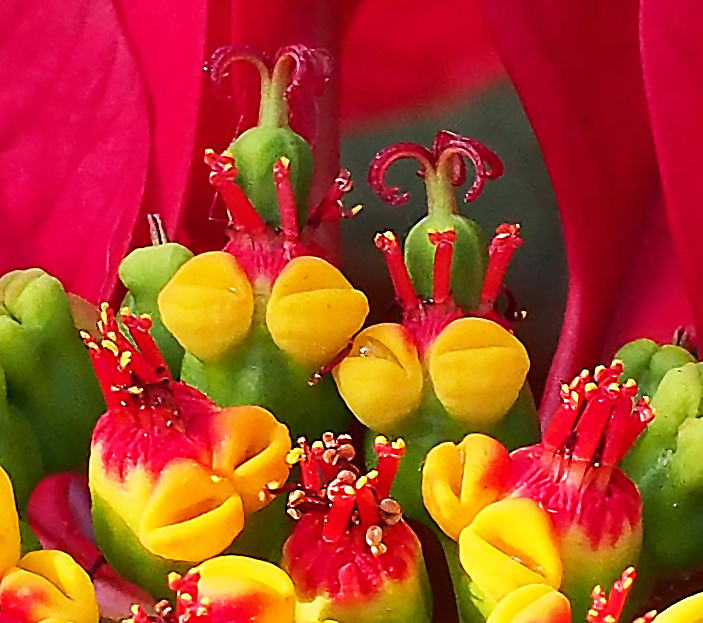
The flowers of Euphorbias are single-sexed, and are grouped into special clusters of floral organs known as cyathia which consist of a cup-like structure constructed from five partly-fused bracts. They are often dismissed as inconspicuous, but their construction is quite unique to this family and the details are fascinating. Both sexes occur together on the same plant, within the same cyathium, and the plants are therefore monoecious. Typically, one or more of the bracts forming the cyathial cup is modified to form a nectary. The ovaries are superior, borne on long stalks that elevate them above the cyathium and have three fused locules, each with a single ovule. The ovary is topped with three short branched stigmas. In Poinsettias, there is usually only one nectary per cyathium, looking like a mouth with bright yellow lips, filled with glistening nectar, but sometimes there may be two or even more. Within the cup are rings of male flowers, each consisting of only one stamen bearing a pair of anthers containing yellow pollen, and a number of sterile hairs, (bracteoles). The sharp junction between the stamen and the pedicel which bears it is conspicuous in the photograph below.

I have never seen female flowers in any of the cultivated specimens I have photographed, and there is no evidence of young stages of development of them in dissected cyathia. The image shown here (right) with female flowers is by John Ehman, shown on Earth Science Picture of the Day https://epod.usra.edu/blog/2015/12/the-true-poinsettia-flower.html. In Poinsettias, just like garden euphorbias, the ovary is composed of three fused carpels, enclosing three locules, each containing a single seed. The ovary is topped with three forked stigma lobes, looking like a bright red 6-armed starfish.
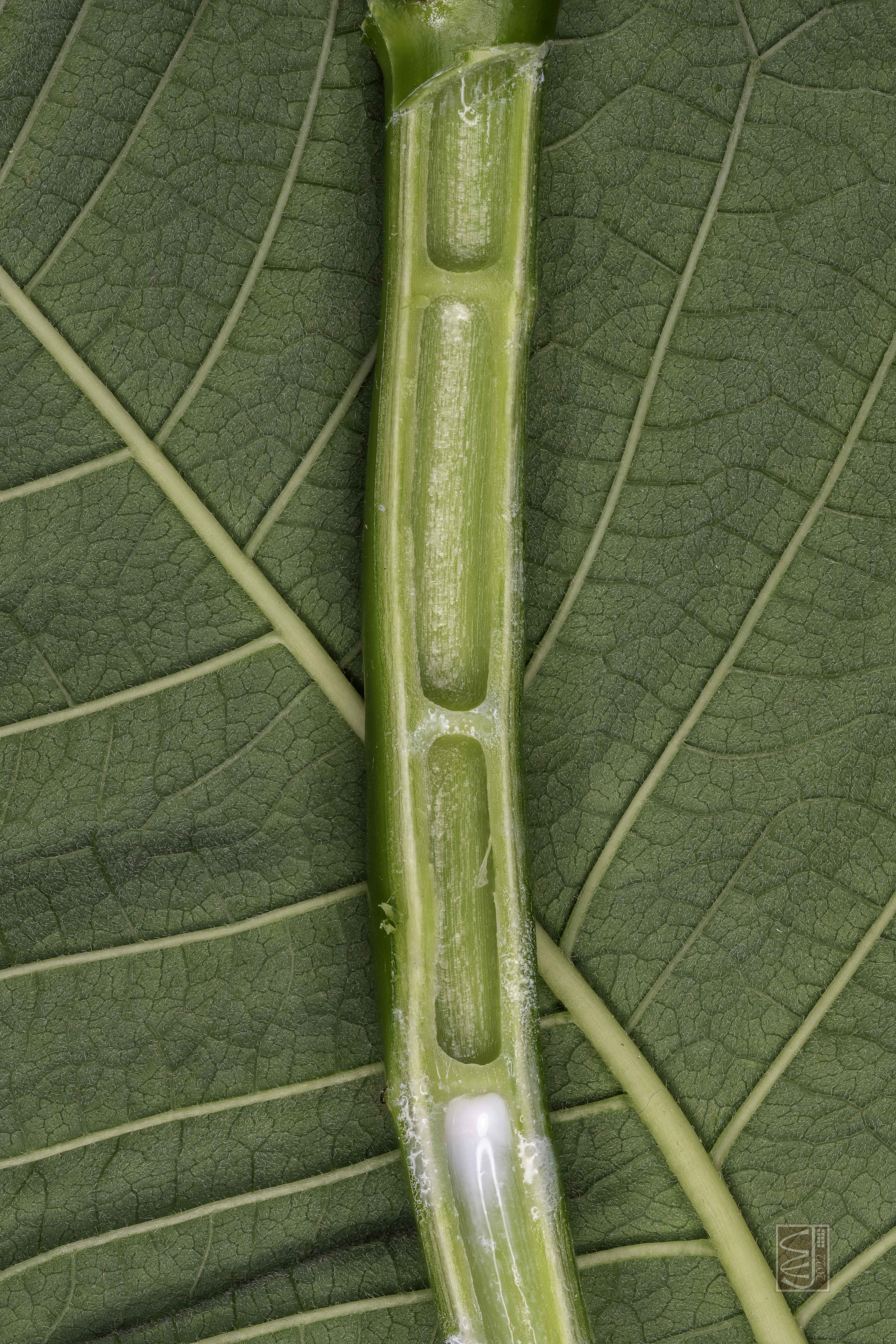
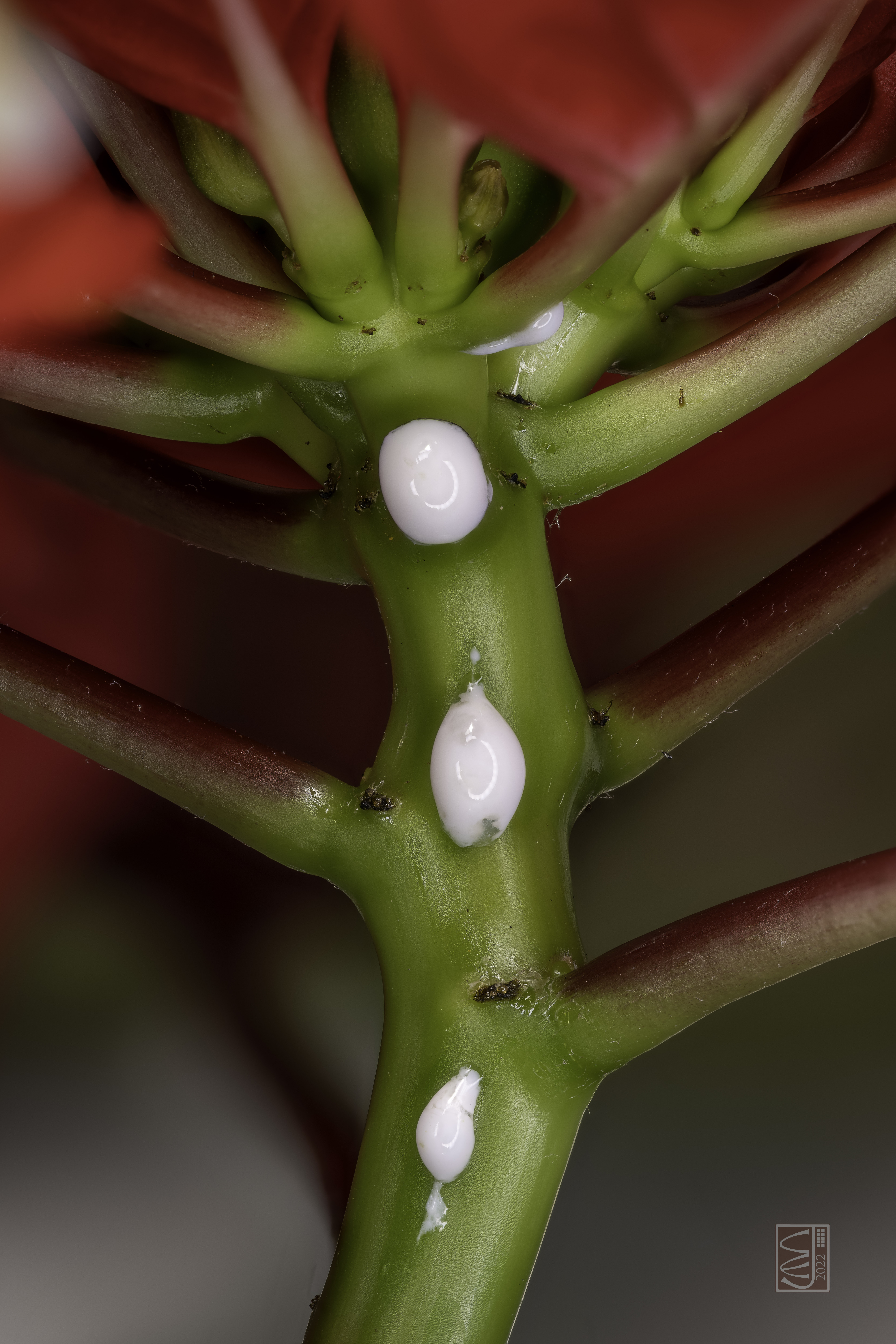
The stems of wild plants are straggly and hollow, with septa at each node. All parts of the plant produce copious white latex when injured.
Poinsettias are highly sensitive to daylength and will only colour up their bracts if given 6 to 8 weeks of total darkness for 14 hours per day. Consequently, the glasshouses are blacked out during the summer using large areas of black polythene.
The Native Distribution of Poinsettia (from IUCN, POWO) includes Guatemala, Mexico and northern Belize. Surviving natural populations in Mexico are highly scattered, mainly occurring in Pacific coastal mid-altitude dry tropical forest on seaward facing slopes. These fragmented populations may represent the survivors of a distribution that once included lowland areas, since potential habitats in these areas are under threat from deforestation and other human interference. Trejo et al. (2012) cite evidence of the loss from wild populations of DNA haplotypes that are present in cultivated Poinsettias, but surprisingly, they are listed in the IUCN Red List as of Least Concern.
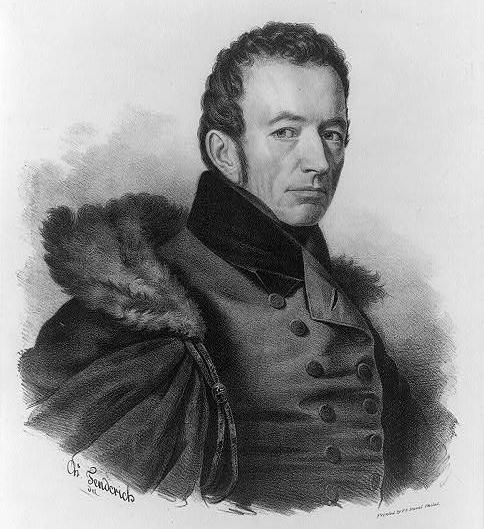
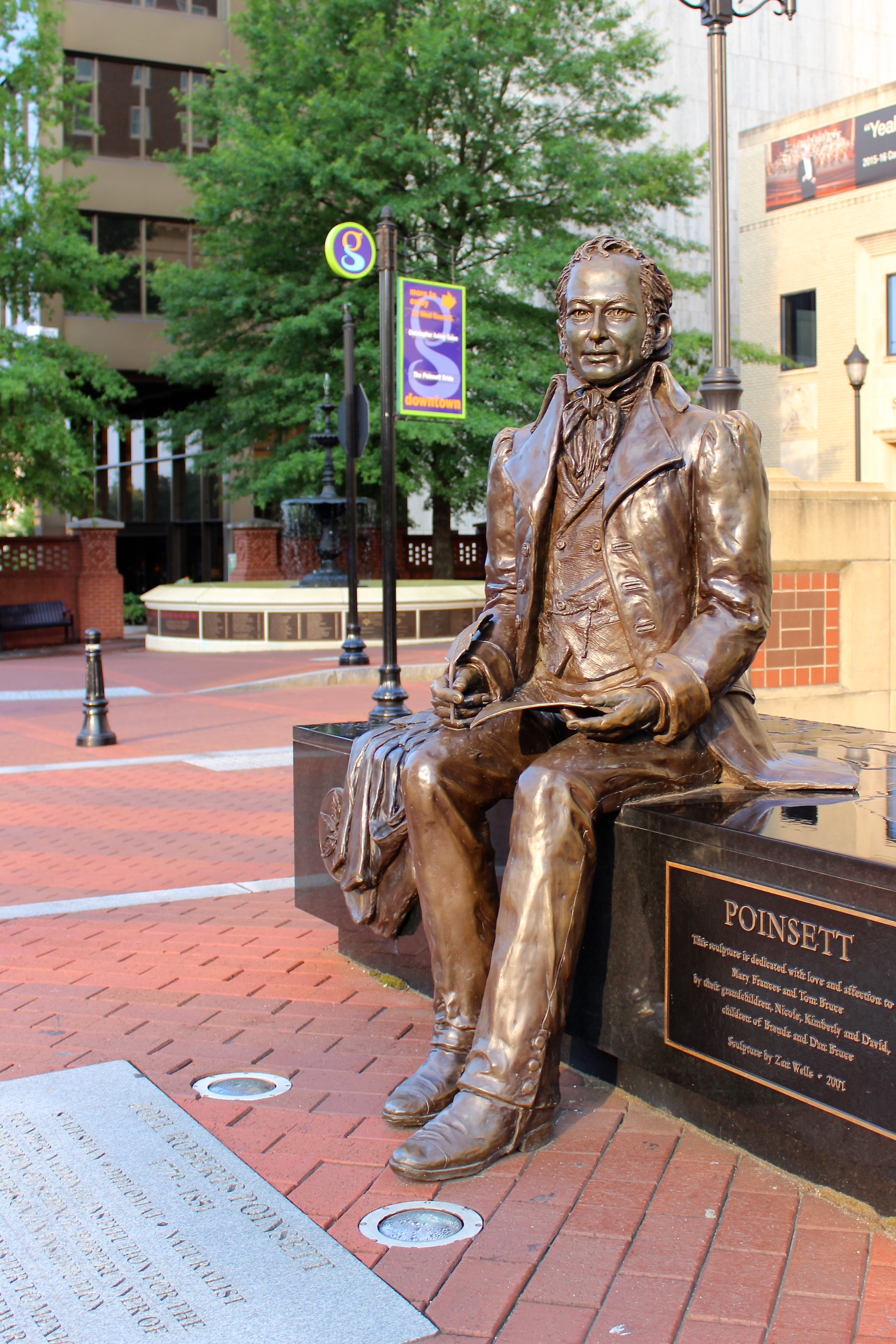
Left: Portrait of Poinsett by Charles Fenderich (1805-1887), \Right: Statue of Joel Poinsett (1779-1851) in Greenville, South Carolina. John Foxe (2016) Creative Commons Attribution-Share Alike 4.0
The common name Poinsettia honours Joel Roberts Poinsett, who in 1828, on an excursion with colleagues of the Philadelphia scientific community, probably somewhere near Taxco in Guerrero state, Mexico, collected cuttings that he sent to Bartram Botanical Garden in Philadelphia, where they were exhibited to the public in June 1829. They were an immediate horticultural hit, exhibited in flower shows, but the use of the common name is attributable to the Scottish botanist Robert Graham who called it the “Poinsettia,” in 1836. Robert Graham was the 6th Regius Keeper of the Royal Botanic Garden, Edinburgh from 1820–1845. (https://en.wikipedia.org/wiki/Robert_Graham_(botanist) )
The young Robert Joel Poinsett resisted parental pressure to practice law, and for many years in his 20s travelled extensively in Europe, becoming fluent in several languages. He was an alumnus of Edinburgh University, having enrolled on October 25, 1797 in courses of medical, chemical and pharmaceutical lectures, but his stay in Scotland was short-lived. Nevertheless, judging by the honour bestowed upon him by Robert Graham, he must have made an immediate impact, as he did almost everywhere he went. The Edinburgh winter took a toll on his health, and he decamped in 1798 to Lisbon to recover. Following the death of his parents in 1804, he became heir to a considerable fortune in property and cash, and continued to travel, to Russia, for example, where he had a close relationship with Czar Alexander, who offered him the position of colonel in the Russian army, and later in South America where he acquired a reputation as an authority on South American affairs. However, in 1817, he declined an offer to act as special commissioner to South America in favour of a seat for South Carolina in the US House of Representatives. Poinsett was appointed first American minister to the newly independent republic of Mexico by US President John Quincy Adams in 1825.
In addition to this glittering career in US Government service, Poinsett was a polymath, a botanist, but also, a Master Mason, a member of the American Society of Arts and Sciences and the American Philosophical Society. Consistent with prevailing attitudes of his time in his slave-owning South Carolina, (he was himself a slave owner) he was a racist and white supremacist, who insisted that Mexico could become a self governed republic only under white creoles. He strove to reduce British influence on the country and to build American influence there. Consequently, he is seen by many as a meddler in Mexican affairs.
National Poinsettia day
Although Poinsettia has been associated with Christmas since at least the 17th century in Mexico, it only became so in North America in the 1920s after Paul Ecke began selling the plants by the roadside in California. His company in Encinitas, California, grew to become the world’s largest producer of Poinsettias, serving about 50% of the world market share. The plant is now celebrated each year by a National Poinsettia Day on December 12th, the anniversary of the death of Joel Roberts Poinsett at age 79 on 12th December 1851.
Names
Those in the know may prefer not to associate the plant with him, and to use instead the name Mexican flame flower. The Aztec name (in Nahuatl, the language of the Nahua people of central Mexico) is Cuetlaxochitl, (pronounced kwet-la-sho-shitl) meaning decorative flower. The Aztecs prized Cuetlaxochitl as a symbol of purity, as a source of a red dye produced by anthocyanins, and in traditional medicine. However, the name doesn’t exactly trip off the tongue.
Fortunately, there is another solution more in keeping with its current popularity in the celebration of Christmas. In Mexico the plant had been associated with Christmas for several hundred years, long before Poinsett’s visits. In Taxco de Alarcón, a city of about 100k in the state of Guerrero, close to the probable centre of the native distribution of Poinsettia, the plant is prominent in their nativity celebrations. The town’s website shows photographs of a huge image of a Poinsettia created by students of Universidad Nacional Autónoma de México, UNAM, by massing thousands of red Poinsettia plants.
http://www.taxcolandia.com/leyendas_de_taxco/flor_cuetlaxochitl.php#gsc.tab=0
A Mexican legend relates how on Christmas eve, a little girl had no other gift to bring to the nativity of the Christ child except some weedy plants she had collected. On her way to the altar they blossomed with the beautiful red stars known In Mexico as Flores de Noche buena (flowers of the holy night).
Uses in traditional medicine
The Euphorbiaceae have a bad reputation for toxicity, sometimes deservedly so. All parts of the Vernicia (tung tree) and Triadica sebifera (Chinese tallow tree) are toxic to humans, allegedly to the extent that even the airborne pollen and rainwater dripping from the trees may cause blistering. The root tubers of Manihot esculenta (cassava, manioc) are an important staple food in parts of South America, a source of starch, but contain dangerously toxic cyanogenic glycosides that have to be removed by repeated washing and squeezing of the pulp to make it safe to eat. On a visit to Goias Velho in Brazil, longer ago than I care to remember, we frequented a local bar that served super-cooled beer that would instantly freeze in the neck of the bottle when the cap was removed, accompanied by manioc meal fried with little freshwater fishes, in the manner of whitebait. Delicious.
Although the toxicity of Poinsettia for humans and domestic animals has been talked up in the past, there is little sound evidence for this. Why would you want to eat it anyway? The Aztecs used it for medicinal purposes to treat almost everything. As a painkiller, to reduce inflammation and fever, to stimulate lactation, as an abortifacient, as a contraceptive, to induce vomiting, to remove warts, to treat toothache. (Ernst et al., 2015) There is little evidence to support its efficacy for any of these uses. The latex can irritate the skin, however, and might make you sick, but it won’t kill you or you furry friends.
©Chris Jeffree, 2022.
References
Chandler, C.L. and R. Smith (1935) The Life of Joel Roberts Poinsett. The Pennsylvania Magazine of History and Biography 59, (1), 1-31. https://www.jstor.org/stable/20086886
Ecke , P. , A. Matkin , and D. E. Hartley (1990). The Poinsettia manual. Paul Ecke Ranch, Encinitas, California, USA. isbn 978-0-96235-511-0
Ernst, M., Grace, O.M., C., Saslis-Lagoudakisa, H., Nilsson, N., Simonsen, H.T. and N. Rønsted (2015) Global medicinal uses of Euphorbia L. (Euphorbiaceae). Journal of Ethnopharmacology 176, 90-101. https://doi.org/10.1016/j.jep.2015.10.025
Heywood, VH, Brummit, RK, Culham, A and O. Seberg (2007) Flowering plant families of the world. Firefly Books Ltd. isbn 978-1-55407-206-4
IUCN Red List https://www.iucnredlist.org/species/150008228/150008264
Judd, W.S., Campbell,C.S., Kellog, E.A., Stevens,P.F. and M.J. Donoghue (2002) Plant systematics, and phylogenetic approach. Sinauer Associates, Sunderlalnd, MA, USA. isbn 0-87893-403-0
Trejo, L., Feria Arroyo, T.P., Olsen, K.M., Eguiarte, L.E., Arroyo, B., Gruhn, J.A. and M.E. Olson (2012) Poinsettia’s wild ancestor in the Mexican dry tropics: Historical, genetic, and environmental evidence. American Journal of Botany 99 (7) 1146-1157. https://doi.org/10.3732/ajb.1200072
©Chris Jeffree