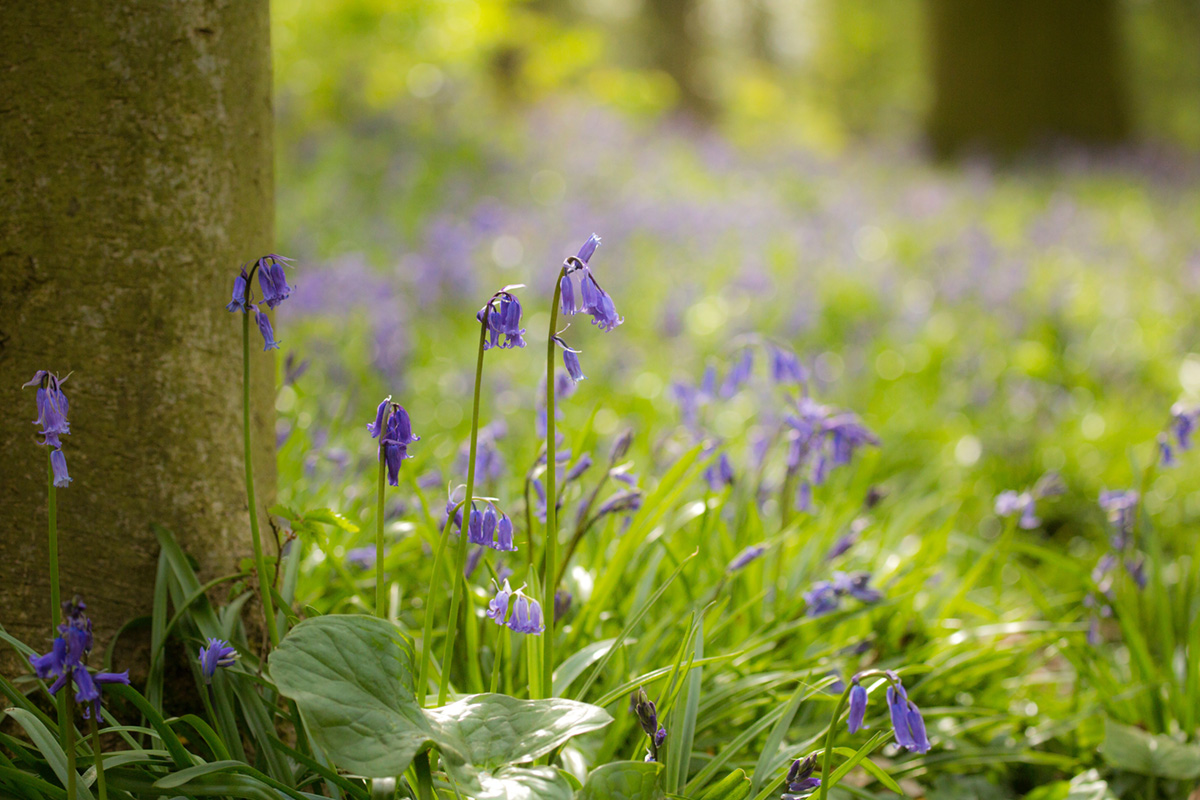
Inverness Lecture 12th March. Re-flowering Scotland: what the flowers are telling us about our woods: Kate Holl
Do you ever wonder what our woodlands would look like, if there were a lot fewer herbivores munching on them? Despite studying herbivore impacts for decades, I didn’t realise quite the full extent of the impact deer and sheep have on our woods, until one day I happened upon a woodland that had been securely fenced against deer for more than 30 years…. In this talk I will provide evidence that with far fewer herbivores munching on them, our natural woodlands would be richer in biodiversity, more productive and structurally diverse, and they would regenerate themselves with little or no costly management intervention. Given where we are in the biodiversity and climate crises the stakes could hardly be higher..

Kate Holl has been a woodland advisor with NatureScot and its predecessors for over 30 years, specialising in assessing woodland habitat condition, particularly the evaluation of herbivore impacts in natural woodland. She is a joint author of the Woodland Herbivore Impact Assessment method, and in 2017 under a Churchill Fellowship, travelled widely within the North Eastern Atlantic bioregion to learn about the flora of woodlands less impacted by herbivores.
Date: Tuesday 12 March 2024, 7:30 pm
Venue: Smithton Free Church, 1 Murray Rd, Smithton, Inverness IV2 7YU
Note: This lecture is joint with Inverness Botany Group