Dr. Simon Hiscock: The Oxford Ragwort and the Bristol Whitebeam: tales of hybrid speciation
Dr. Simon Hiscock, Director of the University of Oxford Botanic Garden and Arboretum and Professor of Botany, Department of Biology
Lecture Theatre, Royal Botanic Garden, Edinburgh
Date: Thursday 19 March, 2026 Edinburgh, from 6:00-7:00pm – (Tea/coffee and biscuits will be available from 5:30 pm as usual)
Venue: Royal Botanic Garden Edinburgh, Science Building, 20a Inverleith Row, EH3 5LR
Venue Note: To access the lecture please enter via the Science Buildings main reception, 20A Inverleith Row, Edinburgh EH3 5LR. Note this is NOT the public entrance to the gardens. what3words ///ROPES.DINNER.CLUBS
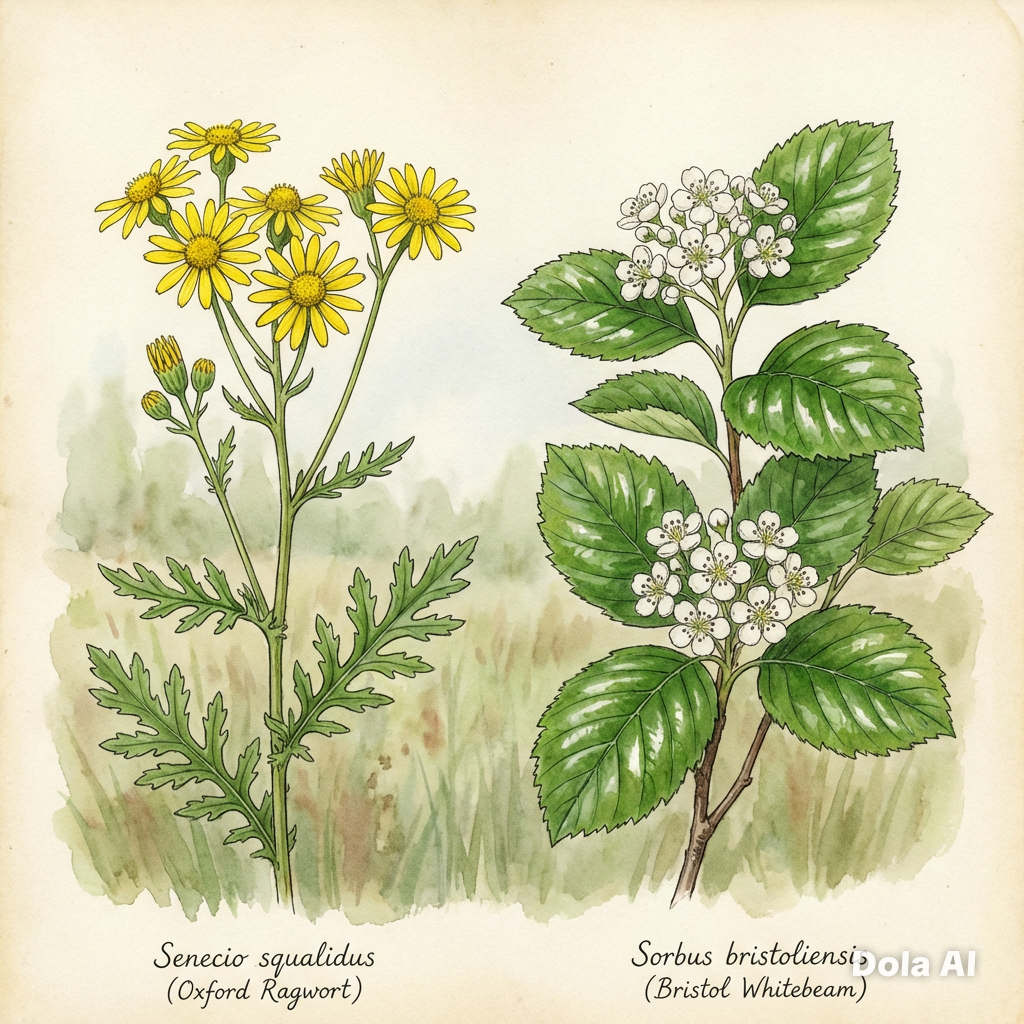
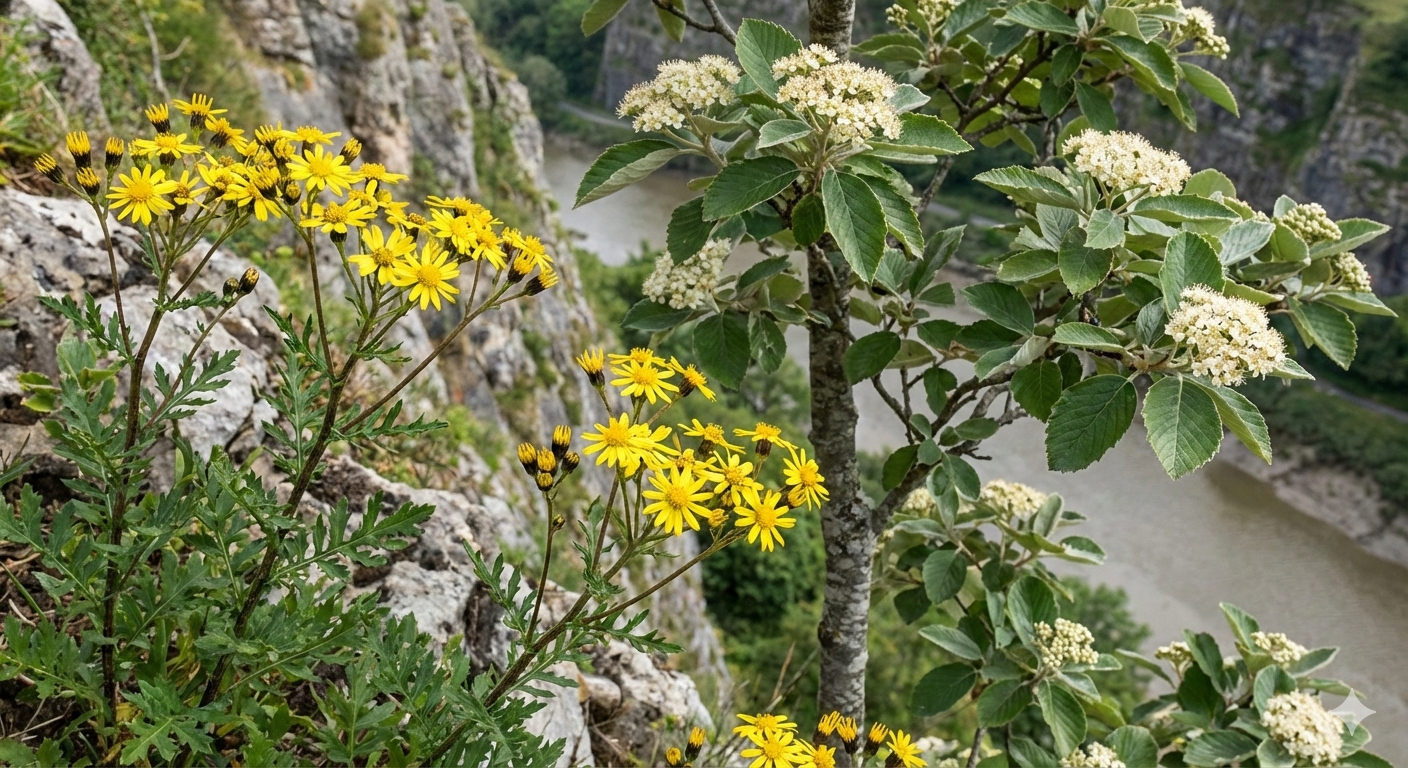
Title: The Oxford Ragwort and the Bristol Whitebeam: tales of hybrid speciation
Abstract: Natural hybridization is widespread in animals and plants and is now recognized as an important ‘creative’ force in evolution. In plants, hybridization is often associated with changes in chromosome number (allopolyploidy) which can lead to abrupt speciation. Hybrid speciation without a change in chromosome number (homoploid hybrid speciation) also occurs but appears to be less common. Hybridization and polyploidy are also frequently associated with apomixis, leading to complex patterns of variation and associated taxonomic difficulty. Here I will describe examples of natural hybridization and hybrid speciation (both homoploid and allopolyploid) in the genus Senecio (Asteraceae), and also in the genus Sorbus (Rosaceae), where hybridization and polyploidy combine with apomixis to create complex patterns of variation and associated taxonomic difficulty.
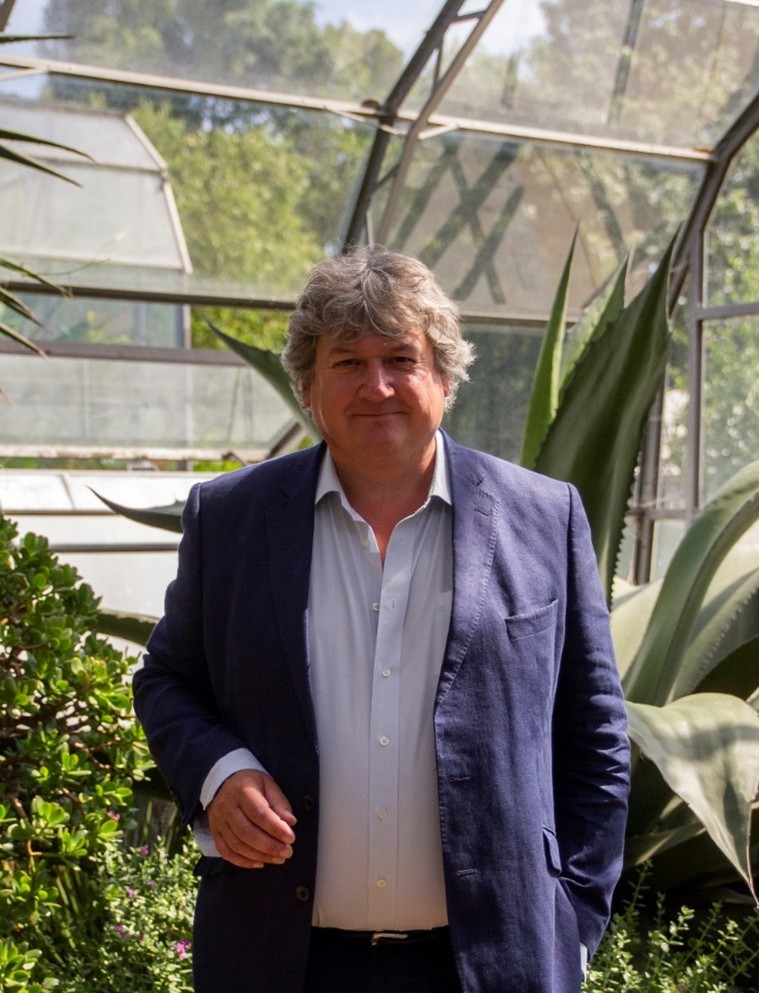
BIO: Simon Hiscock is Director of the University of Oxford Botanic Garden and Arboretum and Professor of Botany in the Department of Biology. He studied Botany at Oxford as an undergraduate before beginning a PhD researching plant reproductive biology at the University of Reading. This research subsequently moved to Oxford’s Department of Plant Sciences, where he gained a DPhil. Following post-doctoral research at Oxford and a BBSRC David Phillips Research Fellowship, in 2000 he was appointed to a lectureship in the School of Biological Sciences at the University of Bristol. There he became Reader in Plant Sciences in 2004, Professor of Botany in 2007 and was Director of the University of Bristol Botanic Garden from 2003-2016. He was Scientific Secretary of the Linnean Society from 2013-2022 and is currently a member of RBG Edinburgh’s Science Advisory Committee. He is a core panel member for NERC’s Peer Review College, Editor-in-Chief of Plants, People, Planet and a trustee of the New Phytologist Foundation.