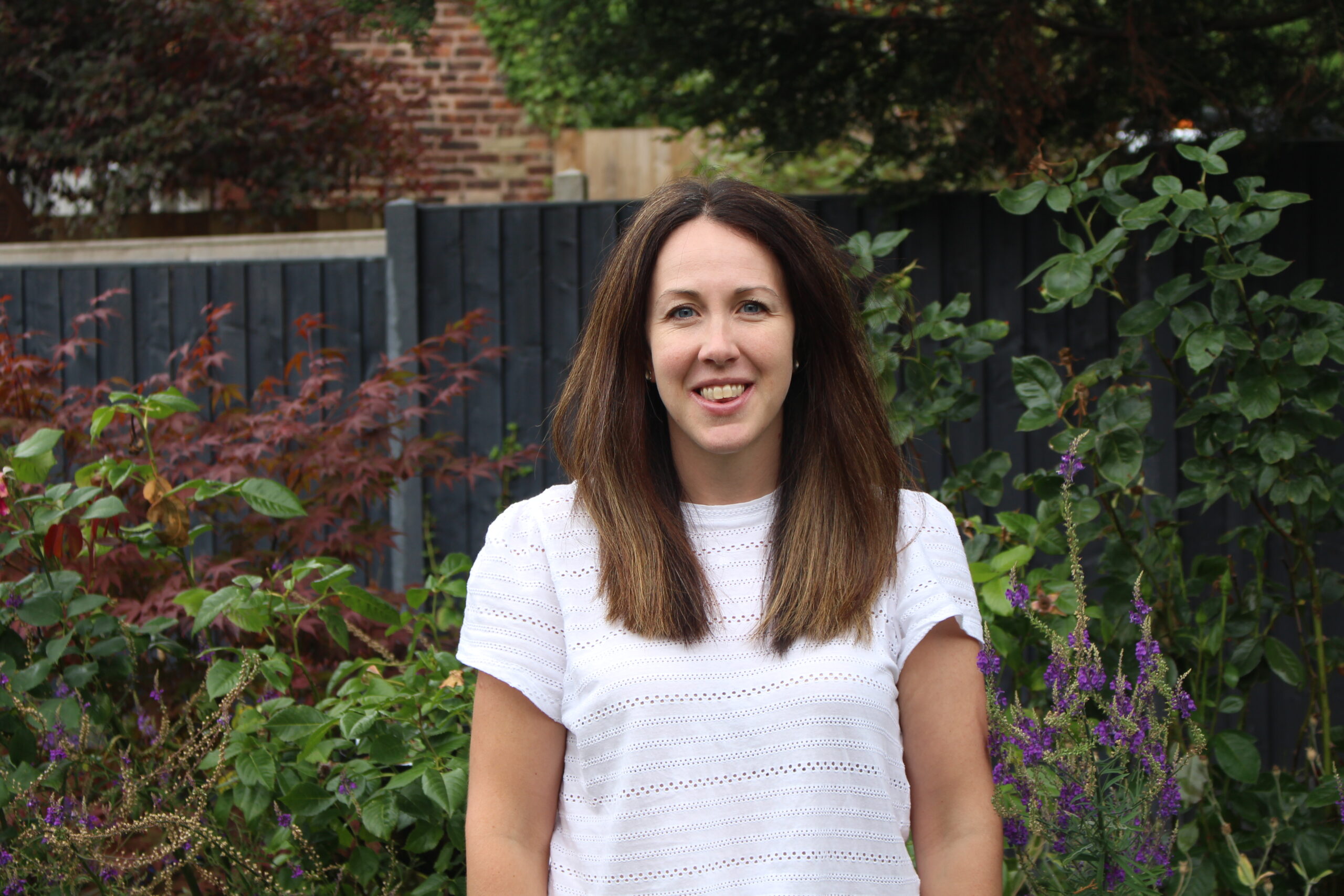
Dr Laura Carter: Plants on Prescription
Dr Laura Carter, University of Leeds
Lecture Theatre, Royal Botanic Garden, Edinburgh
Date: Thursday 16 April, 2026 Edinburgh, from 6:00-7:00pm – (Tea/coffee and biscuits will be available from 5:30 pm as usual)
Venue: Royal Botanic Garden Edinburgh, Science Building, 20a Inverleith Row, EH3 5LR
Venue Note: To access the lecture please enter via the Science Buildings main reception, 20A Inverleith Row, Edinburgh EH3 5LR. Note this is NOT the public entrance to the gardens. what3words ///ROPES.DINNER.CLUBS
Title: Plants on Prescription
Abstract: The use of wastewater and treated sludge to meet agricultural demands for nutrients and irrigation can unintentionally introduce emerging contaminants into the soil-plant continuum. These include active pharmaceutical ingredients and naturally excreted hormones. The biological potency of these chemicals presents a risk to soil and plant health but little is known about these effects at trace levels commonly found in the environment. Research underway at the University of Leeds is underway to explore this further. We use a combination of field trials and laboratory scale exposures to understand the fate and effects of emerging contaminants in soil-plant systems.
Some of our early work established that emerging contaminants can be taken up from soils and accumulate in plant organs, the accumulation and where this happened in the plant was strongly influenced by soil properties and the properties of the crop itself. Some emerging contaminants such as pharmaceuticals can transform via in-plant metabolism into transformation products.
Our research moved on to investigate the potential implications of these bioactive chemicals on plant health, with a particular focus on sub-lethal effects. One recent study examined how common antifungal drugs affect beneficial soil fungi that support plant growth. We found that these contaminants significantly reduced fungal health and impaired nutrient uptake in crops. Ongoing work is underway to understand identify whether select pharmaceuticals influence radish (Raphanus sativus) reproduction and whether the seeds produced by the first generation of plants reacted differently under repeated exposure pharmaceuticals in comparison to controls. Results revealed that flowering was delayed by > 3 weeks and > 1 week following exposure to environmentally relevant levels of diclofenac and 17b-estradiol, respectively, compared to the controls despite no impacts on total plant biomass.
Global food production is increasingly threatened by soil degradation, climate change and the rising costs of synthetic fertilisers. Circular agriculture, which promotes resource reuse, is a promising solution, but using treated wastewater and biosolids in farming introduces risks from emerging contaminants like pharmaceutical residues. These findings highlight the urgent need for stronger regulations to protect soil ecosystems, ensuring the long-term sustainability of agriculture and global food security.

BIO: Laura Carter is a Professor of Environmental Chemistry at the University of Leeds. Laura’s research focuses on understanding the risks of emerging contaminants in the environment, with particular interests in chemical fate in soil-plant systems and the role of the environment in the development of antimicrobial resistance. In 2019 Laura was acknowledged as an Emerging Investigator, by the Royal Society of Chemistry publication, Environmental Science Processes and Impacts and in 2020 Laura was awarded a prestigious £1.2M UKRI Future Leaders Fellowship to investigate the risks of pharmaceuticals in agricultural systems, following land application of sludges and wastewater. Laura’s work on contaminants in the environment has led to a number of external appointments including editorial roles (Reviews of Environmental Contamination and Toxicology and ES&T Letters)and advisory positions including the REACH Independent Scientific Expert Panel (RISEP) and the Hazardous Substances Advisory Committee (HSAC) to advise Defra on how to protect the environment, and human health via then environment, from potentially hazardous substances. In addition to her research interests she is a co-founder of Carers in STEMM advocating for equitable and accessible support for those balancing caring and career.